

Are ink tank printers worth it?
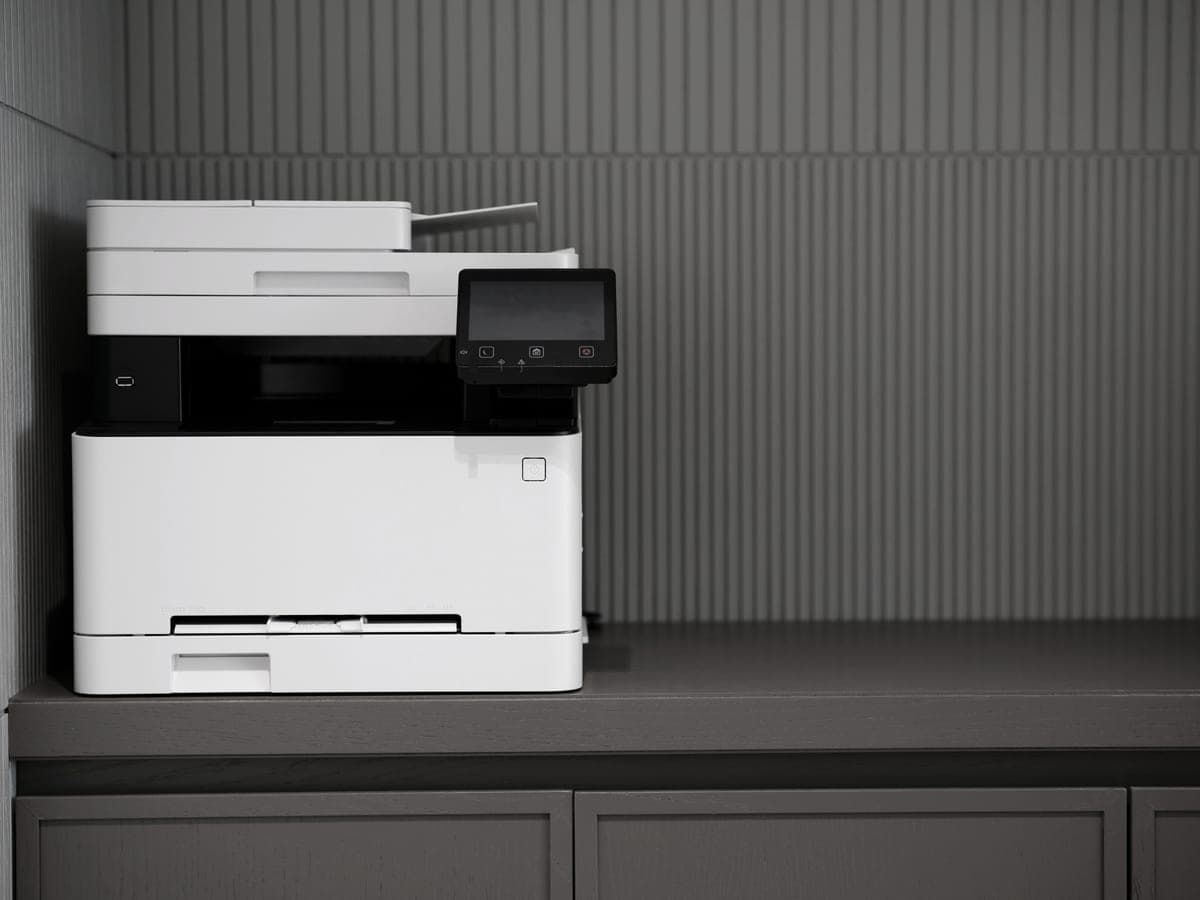
For most households, yes. A tank printer costs roughly $60 to $160 more than an equivalent cartridge model and prints at well under a cent a page instead of several cents, so it repays the difference within a few thousand pages. It is the wrong choice only if you print very rarely, because an unused inkjet head can clog.
The question behind the question is usually: does the higher purchase price ever come back? On the figures we can confirm, it comes back quickly and then keeps paying. The part worth taking seriously is not the money, it is whether you print often enough to keep an inkjet healthy.
The break-even arithmetic
A tank printer trades a higher sticker price for a far lower cost per page. The crossover is simply the price difference divided by the per-page saving. Below is that calculation against published industry figures for cartridge inkjets, which are Toner Buzz’s numbers rather than ours.
| Printer or reference | Per mono page | Per ISO color page | Supply |
|---|---|---|---|
| Canon PIXMA MegaTank G3270 | ~0.3¢ | ~0.8¢ | GI-21 bottles |
| Epson EcoTank ET-2850 / ET-3850 | ~0.3¢ | ~1.2¢ | 502 bottles |
| Epson EcoTank ET-2800 / ET-2400 | ~0.4¢ | ~1.1¢ | 522 bottles |
| Typical cartridge inkjet (industry figure) | about 7.5 cents a page | about 20 cents a page | OEM cartridges |
Tank figures are our arithmetic on bottle prices and manufacturer-rated yields. The cartridge-inkjet row is Toner Buzz's published range, attributed to them, checked 27 September 2026 - we have not measured it ourselves.
Work an example. Suppose a tank printer costs $100 more than the cartridge model you were considering, and you print 40 mono and 10 color pages a month. On the published cartridge figures those 50 pages cost roughly $5 a month in ink. On 522 bottles the same 50 pages cost well under 30 cents. The $100 difference is repaid in about twenty months, and everything after that is saving.
Double the volume and it repays in under a year. Halve it and it takes three years — still inside the life of a printer, but no longer obviously worth the decision. That is the whole answer: it hinges on your own page count, which is why we built a calculator rather than publishing a verdict.
The part people miss: the ink already in the box
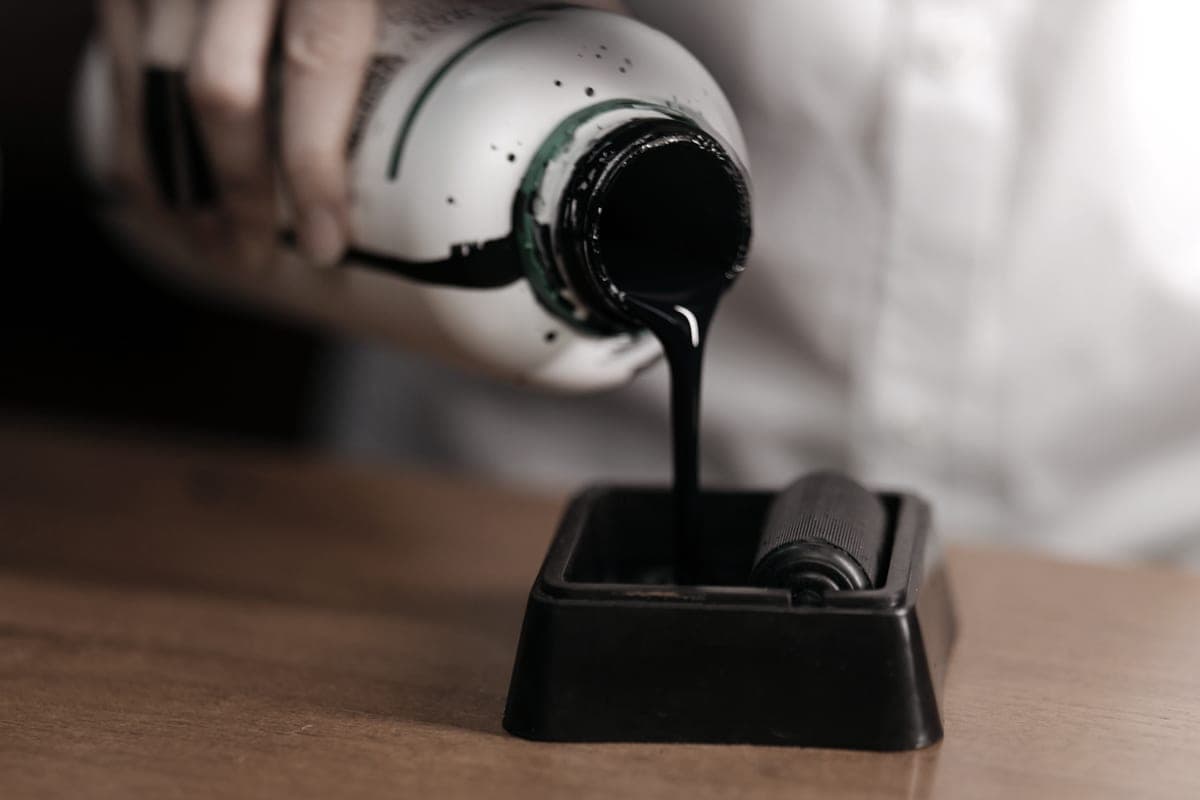
A tank printer ships with bottles, and on Epson and Canon models that initial fill is rated in thousands of pages rather than the few hundred a starter cartridge manages. For a typical household that can be a year or more of printing before you buy any ink at all, which front-loads the saving rather than deferring it.
It also means the first replacement purchase is a long way off, so the cost per page figures above understate the early experience. We wrote up which models ship with what in printers that come with ink.
The reason that is not about money
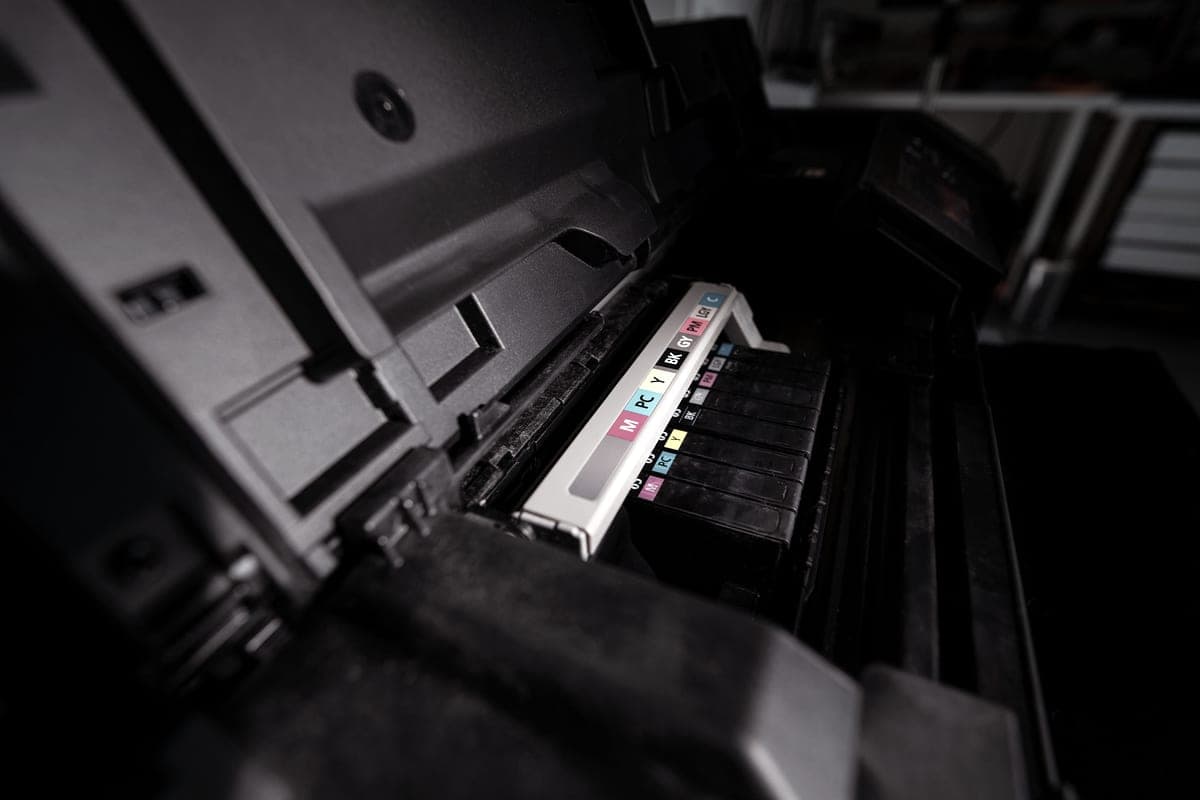
A bottle has no chip in it. Cartridge printers can and do check whether a supply is the manufacturer’s, and firmware updates have blocked third-party cartridges on several brands. That check has nothing to attach to on a tank printer: you pour ink into a reservoir.
For a buyer who specifically wants to avoid lock-in, that is a stronger argument than cost per page, because it is not a saving that a price change can erode. Background: how printer DRM works and Epson and third-party ink.
What you give up
- A higher purchase price. The cheapest tank printers we cover list at $189.99 to $248.99, against cartridge inkjets sold for well under $100.
- Filling, occasionally. Pouring ink is a two-minute job a couple of times a year rather than a thirty-second cartridge swap, and the first fill takes longer.
- Clogging risk during idle spells. The real downside, and it is not a marketing quibble. Print something at least every week or two.
- Slower than a laser on long jobs. Tank printers are not built for 40 pages a minute. If you print long documents under time pressure, that matters.
Our verdict
Worth it for any household that prints something most weeks, and strongly worth it for any household that prints color. The case gets weaker as volume falls and reverses entirely for the genuinely occasional user, who should buy toner. If you print heavily in black only, a high-yield mono laser is a legitimate rival on reliability even though it loses on cost: EcoTank vs laser, worked through.