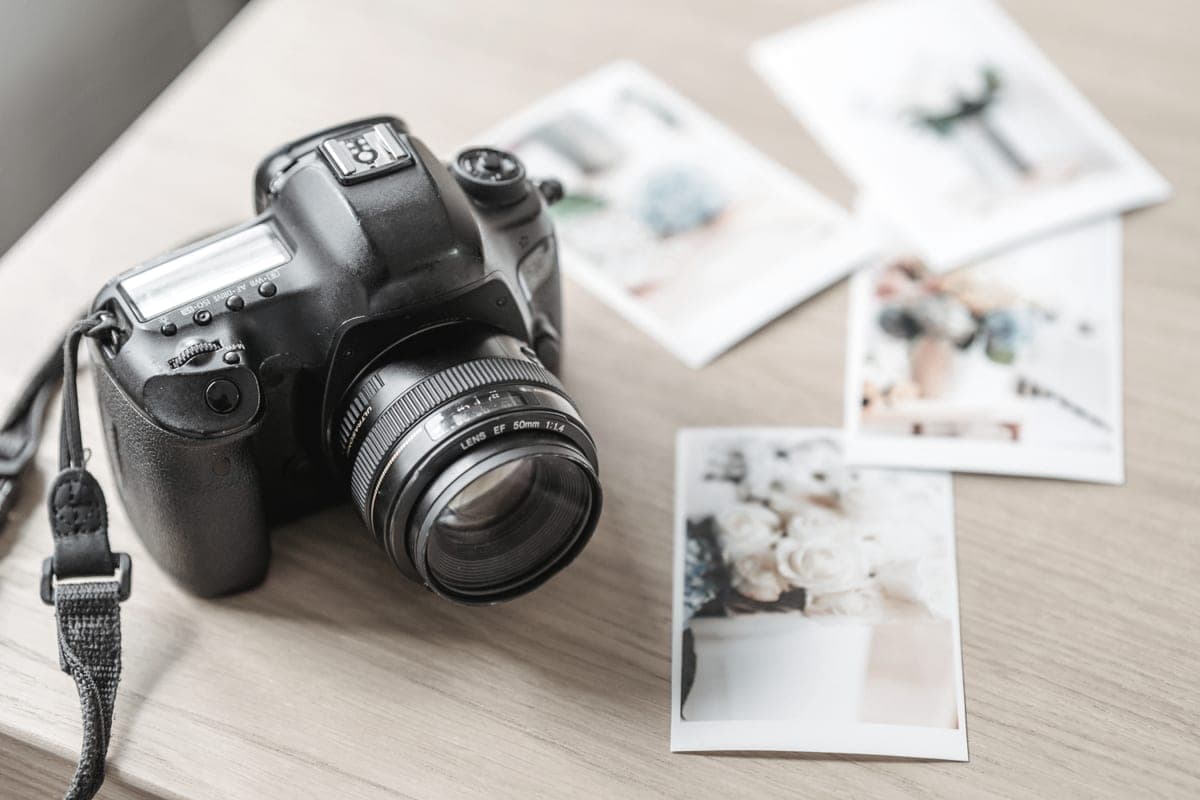
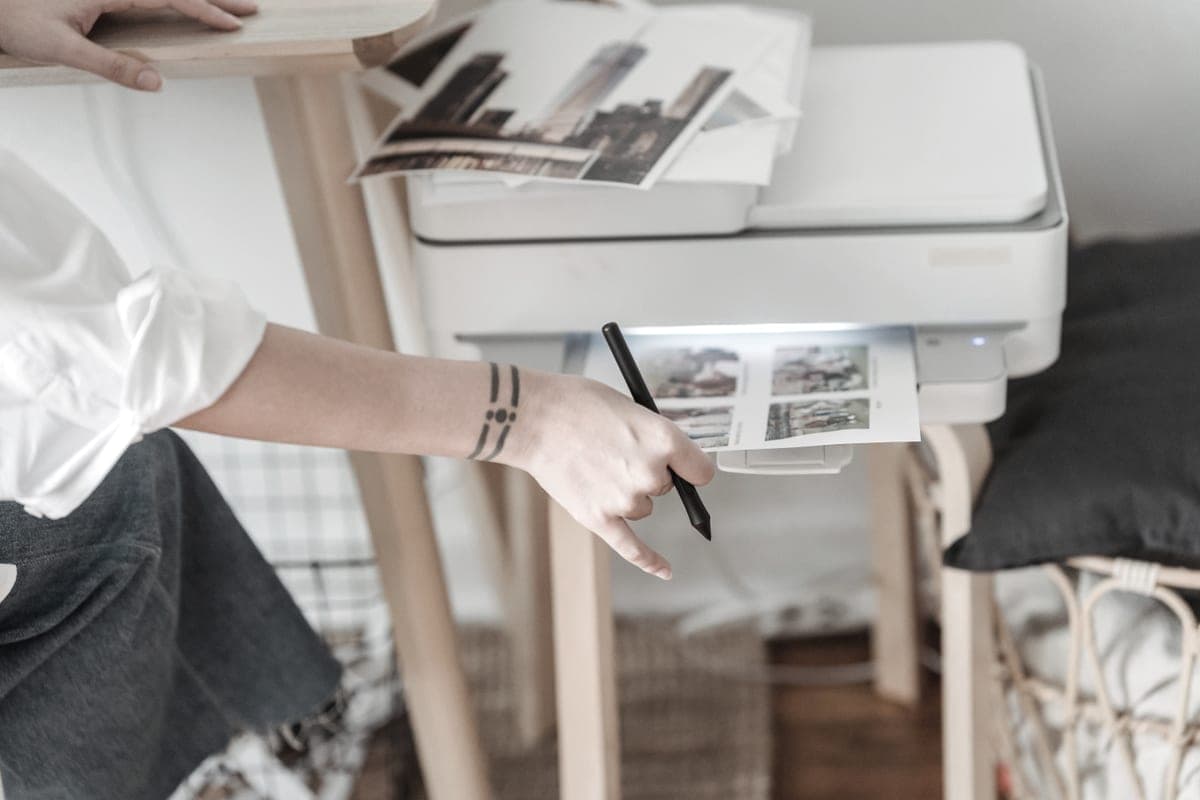
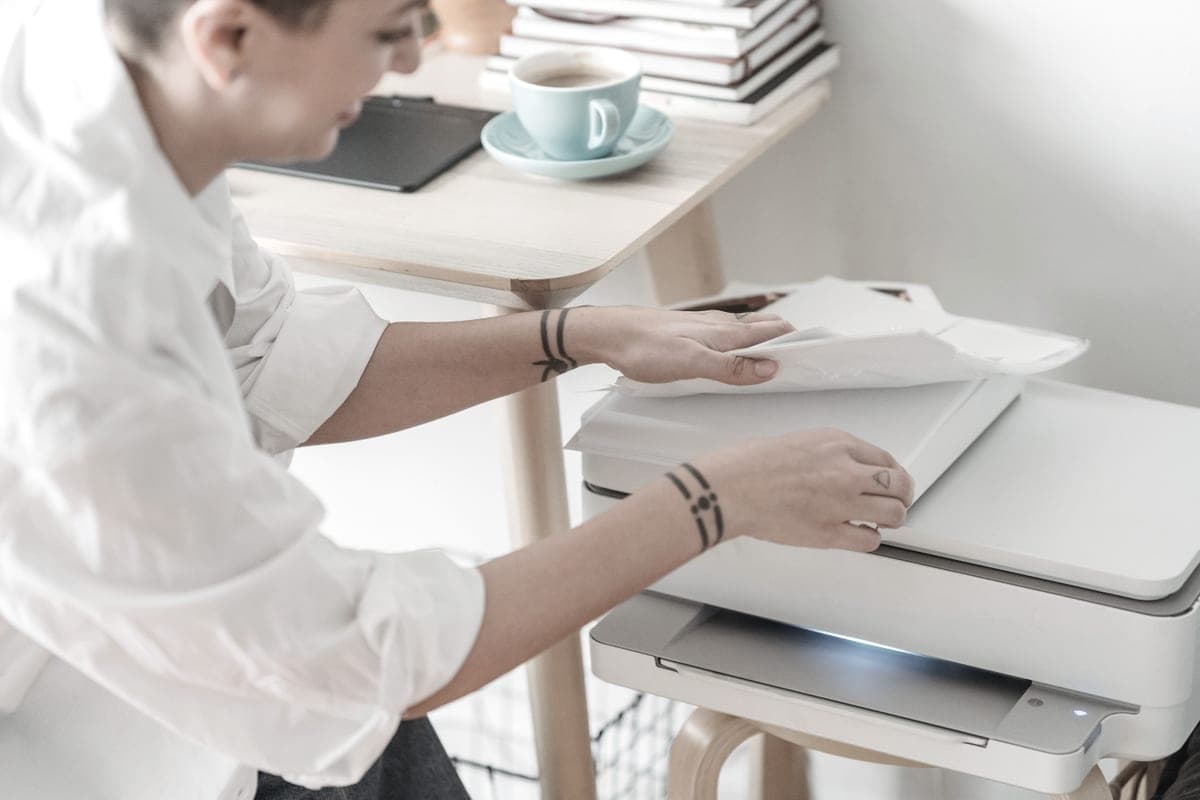
Rated page yields assume about 5% page coverage. A full-bleed photograph is closer to 100%. That single fact is why photo printing is where cartridge costs become genuinely prohibitive, and why a refillable tank is the only sensible way to print photographs at home in any quantity.
How we picked
Ink type first, and it is disqualifying. Photographs on glossy paper want a dye-based black that penetrates the coating. A pigment black, which is better for documents, produces flatter blacks and less smooth gradients on photo paper. So the cheapest-running printer on this site is in the comparison table here and not in the picks.
Then the number of ink channels, because four colors print an acceptable snapshot and six with a photo black and a gray print a photograph. We did not assess print quality by looking at prints, because we do not have these printers — the distinctions above are structural ones we can explain from how the inks work.
The ink-type rule, which decides this page
Dye ink soaks into the paper’s coating. Pigment ink sits on top of it. For a document that gets handled, pigment is better: crisper text, far better smudge and water resistance. For a photograph, dye is better: deeper blacks and smoother transitions, because the ink is in the coating rather than on it.
This is why the Canon MegaTank G3270 is not a pick on this page despite having the lowest cost per page of anything we cover. It is the right printer for documents and the wrong ink for photographs, and the two things are not in tension — they follow from the same property.
What the six-color set actually adds
- A dedicated photo black, separate from the document black and tuned for glossy coatings.
- A gray channel. The single biggest improvement for black-and-white photographs. Without it, grays are mixed from colored inks and carry a cast.
- Smoother gradients in skies and skin tones, because there are more inks to interpolate between and less reliance on dithering.
The real cost of a home photo print
Once you own a tank printer, the ink in a photograph costs very little and paper becomes your main expense. Good glossy letter-size photo paper costs meaningfully more per sheet than plain paper — many times more — which is a much better position to be in than the reverse.
| Printer | Per color page | Ink type |
|---|---|---|
| Epson EcoTank Photo ET-8550 | ~1.4¢ | Six-color dye, photo black + gray |
| Epson EcoTank ET-2800 | ~1.1¢ | Four-color dye |
| Canon MegaTank G3270 | ~0.8¢ | Pigment black — documents, not photos |
| Cartridge inkjet | about 20 cents a page | Toner Buzz's published range |
Our figures are arithmetic on prices read 27 September 2026; the bottom row is Toner Buzz’s. All are per ISO page at 5% coverage — a photograph uses very much more than that, which widens the gap rather than closing it.
Home or a print shop?
Honestly: for a handful of prints a year, a shop wins. Better paper, calibrated equipment, and nothing to store or maintain. The case for printing at home is volume and control — being able to make a print at 10pm, try a crop, and try it again.
On a cartridge printer, the shop wins on cost too. On a tank printer the ink cost per print is small enough that it stops being the deciding factor, which is the whole reason this page exists.