Printer comparisons usually turn into spec tables: pages per minute, resolution, connectivity. Those are the easiest numbers to find and the least useful ones to decide on. Every comparison in this section leads with running cost and states plainly who should pick which side.
The three decisions that actually matter
Strip away the model names and every printer comparison collapses into one of three questions.
Liquid ink or dry toner
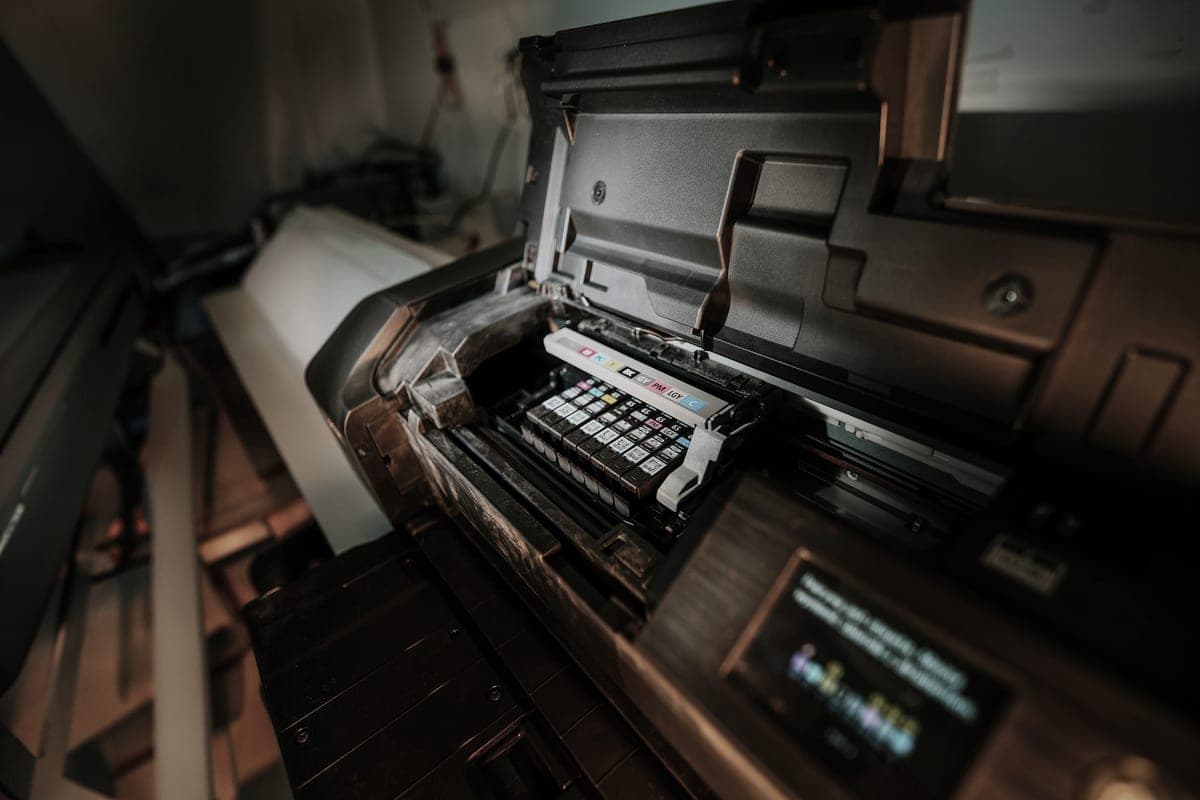
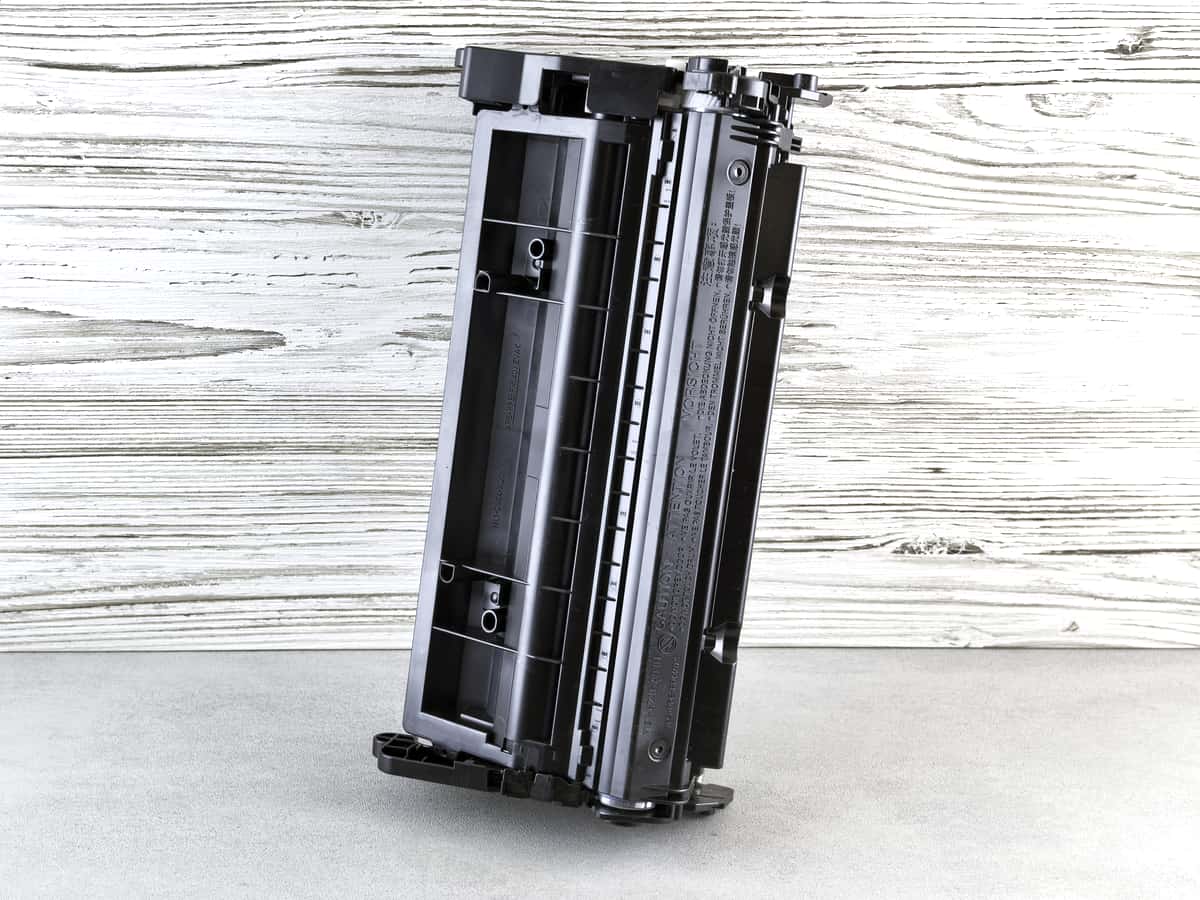
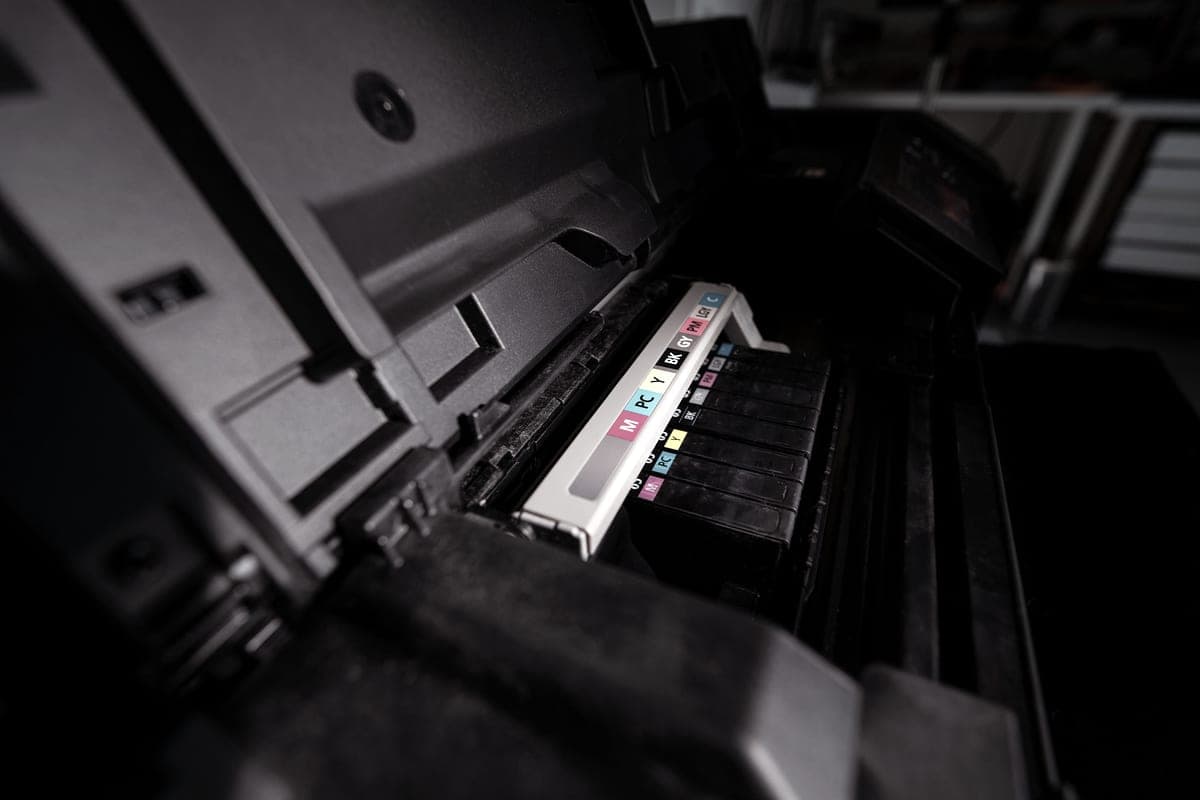
This is the reliability question. Toner cannot dry out; ink can. It is the whole reason a laser is the right buy for sporadic printing even though it costs more per page. Toner vs ink and inkjet vs laser are the two pages that cover it.
Bottle or cartridge
This is the cost question, and it is the most one-sided comparison on the site. Bottles win by roughly an order of magnitude. EcoTank vs cartridge printers.
Buy your supplies or rent them
Ownership or subscription. EcoTank vs HP Instant Ink is the direct version, and it is the comparison most readers arrive here looking for.
The numbers underneath every comparison
| Supply | Cost per black page |
|---|---|
| Canon GI-21 bottle (MegaTank) | ~0.3¢ |
| Epson 522 bottle (EcoTank) | ~0.4¢ |
| Brother TN830XL toner | ~3.3¢ |
| Canon 125 toner | ~6.1¢ |
Our own arithmetic: supply price divided by manufacturer-rated page yield, using prices read on 27 September 2026. Every input and the working.
Notice that the spread between the cheapest and the dearest is about twenty-fold, and that the two dearest are both lasers. That spread is what every comparison in this section is really about.
How we decide a comparison
- Running cost first, with the supply price, the rated yield and the date we read them shown on the page.
- Reliability second. A printer that is cheap per page and does not work when you need it has cost you more than the difference.
- Then the trade-off, stated explicitly. Every recommendation on this site says what you give up. A comparison with a winner and no downside is a comparison that has not been thought through.
- Never on what pays us more. The honest answer in this category is frequently the cheaper machine. Our editorial policy says so in more detail.
What we do not compare
Print quality, in any measured sense. We do not have these printers on a bench and we will not pretend that reading two spec sheets is the same as looking at two prints side by side. Where print quality genuinely differs for a documented structural reason — pigment black resisting smudging better than dye black, for instance — we say so and explain the mechanism. Where it comes down to judgment, we send you to a publication that actually tests.