

Is an EcoTank cheaper than a cartridge printer?
Substantially. An EcoTank black page costs about 0.4 of a cent on the prices we read, while published industry figures put a cartridge inkjet at about 7.5 cents a page. A cartridge printer is also where ink authentication lives, because the chip is in the cartridge.
We try to write comparisons with two defensible sides. This one does not really have two. A cartridge printer is cheaper to buy and worse in essentially every other respect that matters over the life of the machine.
How we decided this
We computed our side of the comparison from bottle prices and manufacturer-rated yields, as everywhere on this site. For the cartridge side we cite Toner Buzz’s published ranges rather than pricing individual cartridges, because cartridge prices vary enormously by model and the range is the honest representation of the category.
We have deliberately not named a specific cartridge printer to compare against. Doing so would let a reader dismiss the finding as being about one bad model, when it is a property of the supply format.
The size of the gap
| Black page | Color page | |
|---|---|---|
| Epson EcoTank (522 ink) | ~0.4¢ | ~1.1¢ |
| Canon MegaTank (GI-21 ink) | ~0.3¢ | ~0.8¢ |
| Cartridge inkjet | about 7.5 cents a page | about 20 cents a page |
The top two rows are our arithmetic on prices read 27 September 2026. The bottom row is Toner Buzz’s published range, quoted rather than claimed. The ratio on color is roughly twenty to one.
Translated into money: at fifty pages a month over three years, that gap is the difference between a supply bill of a few dollars and one that comfortably exceeds the price of the printer.
Why the difference is so large
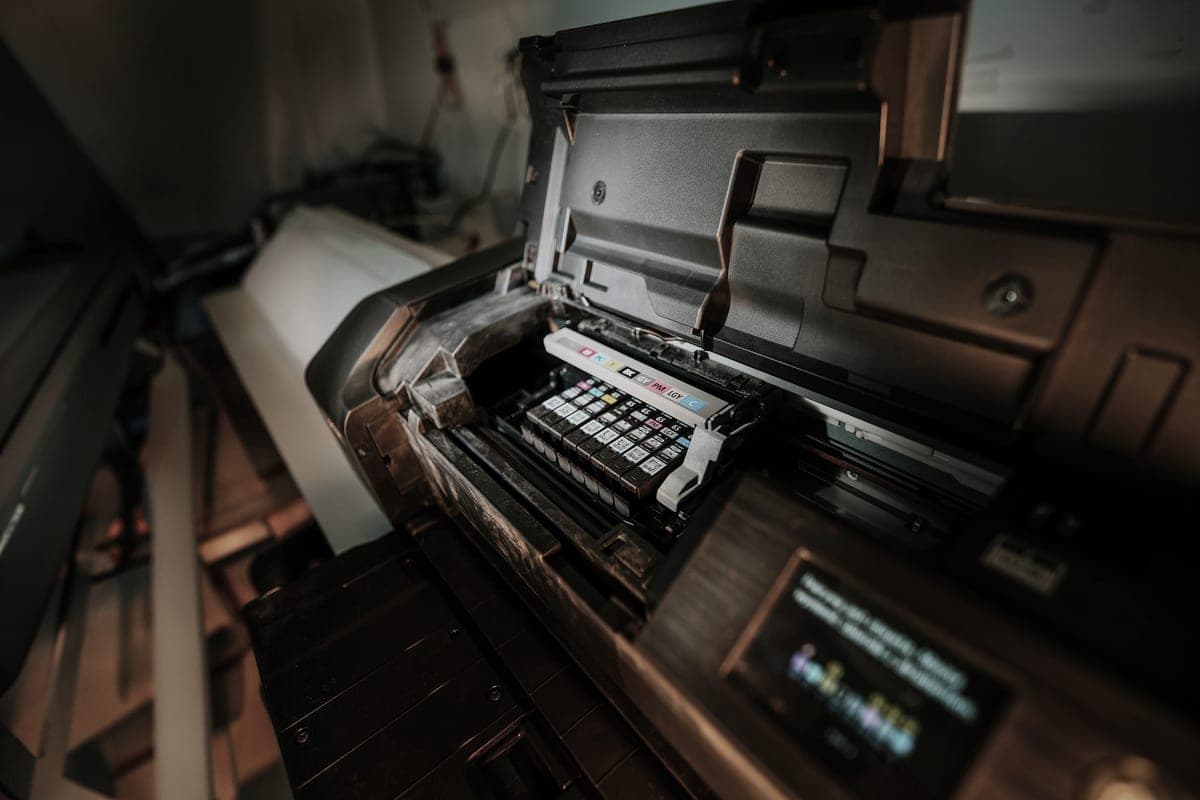
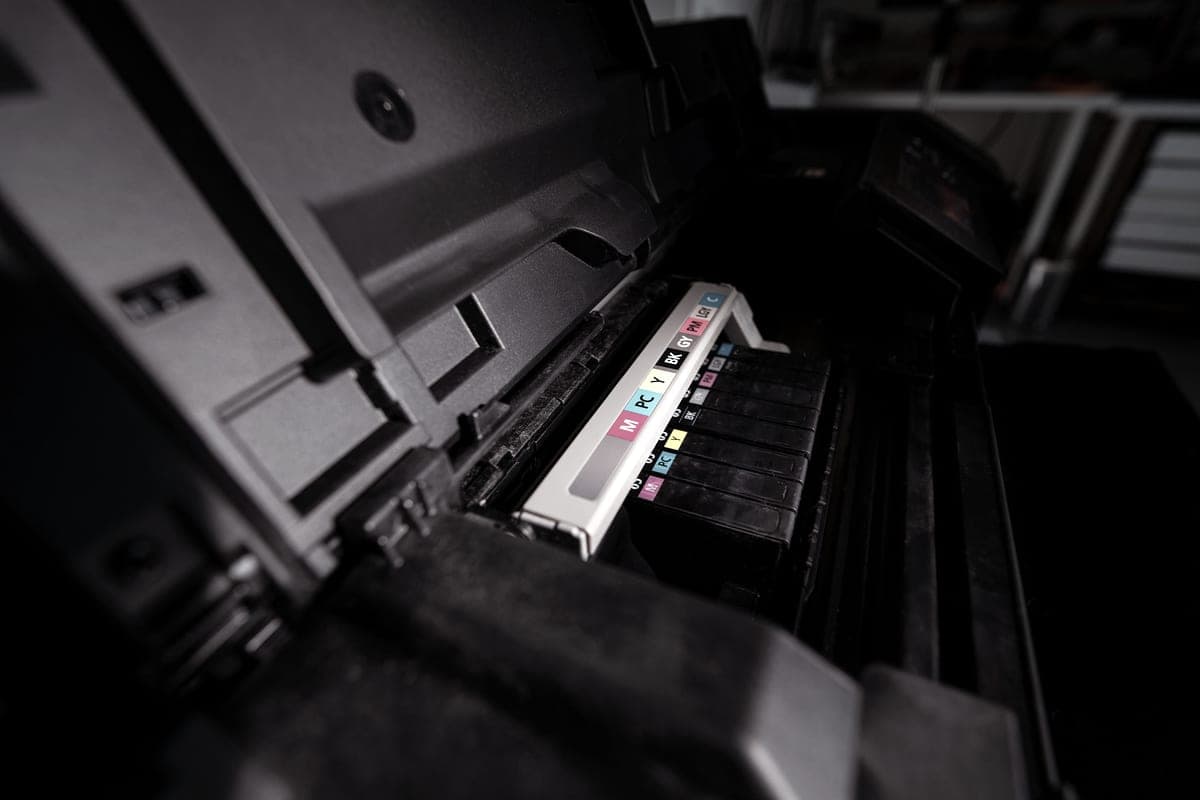
Not because the ink is different. Because of what it is sold in. A cartridge is a molded plastic assembly containing a chip, a sponge or bladder, and a modest volume of ink. A large share of its price is that assembly, its packaging and its distribution. A bottle is a bottle.
The 170 mL Canon GI-21 bottle is rated for 6,000 pages and costs about what a single high-yield cartridge does. That is the entire story.
The second reason, which is not about money
A cartridge carries a chip, and on some printers that chip is used to verify the cartridge is the manufacturer’s. A bottle carries nothing. So the entire category of problem covered in printer DRM — including firmware updates that stop previously-working cartridges from printing — cannot apply to a tank printer.
That is a structural exemption rather than a matter of which brand you trust, and it is why we recommend bottle-fed printing to anyone who cares about supply freedom regardless of the cost argument.
What a cartridge printer is actually better at
Two things, honestly:
- Purchase price. Cartridge printers are frequently very cheap, sometimes under $100. If you print a dozen pages a year, the supply cost genuinely does not matter and the cheap body wins.
- Replacing the whole print head. On many cartridge printers the head is part of the cartridge, so a clogged head is fixed by buying a cartridge. On a tank printer the head is permanent, and a badly clogged one is a service issue.
That second point is a real advantage and it is rarely mentioned. It is also not worth the twentyfold cost difference for anyone printing regularly.
If you are switching
- Check whether you are on a plan first. If you are, read how to cancel before you buy anything — plan cartridges can stop working when the plan ends.
- Expect a higher sticker price. You are pre-paying for ink. The bottles in the box last most households a long time.
- Buy one that duplexes if you can. On a printer this cheap to feed, paper becomes the main cost.
- Print something every couple of weeks. The one obligation that comes with the saving.