
Skip to content
Tank & Toner
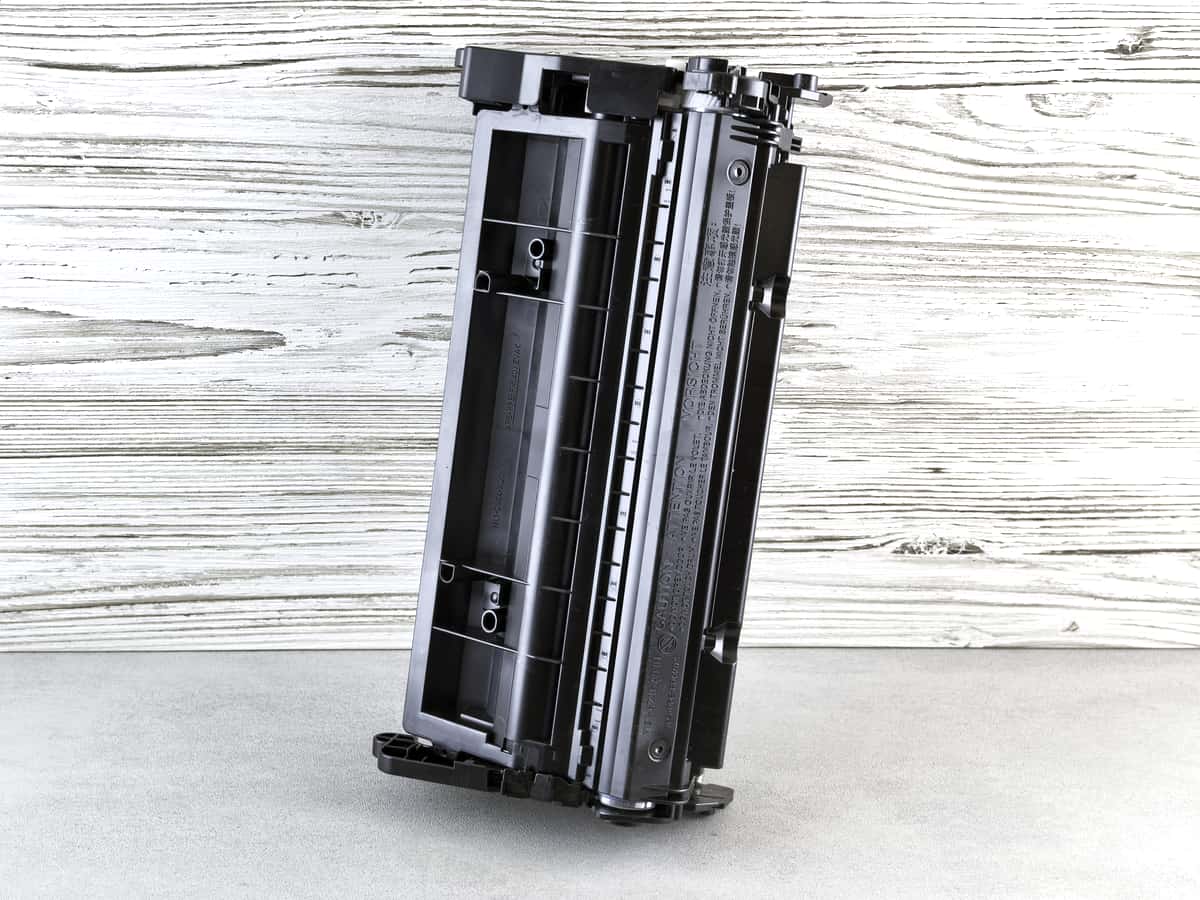
A black printer toner cartridge against a wooden background

Compare

Toner vs ink

Toner is a dry powder fused onto paper with heat. Ink is a liquid sprayed through microscopic nozzles. Nearly every difference between laser and inkjet printing follows from that one fact.

By Ryder M. · Published September 27, 2026

Quick picks

Our ranked picks for toner vs ink, with the cost per page beside each one. Tap a row to jump to the full write-up.

Our ranked picks for toner vs ink, with the cost per page beside each one. Tap a row to jump to the full write-up.
#ProductBest forCost per pagePrice
1
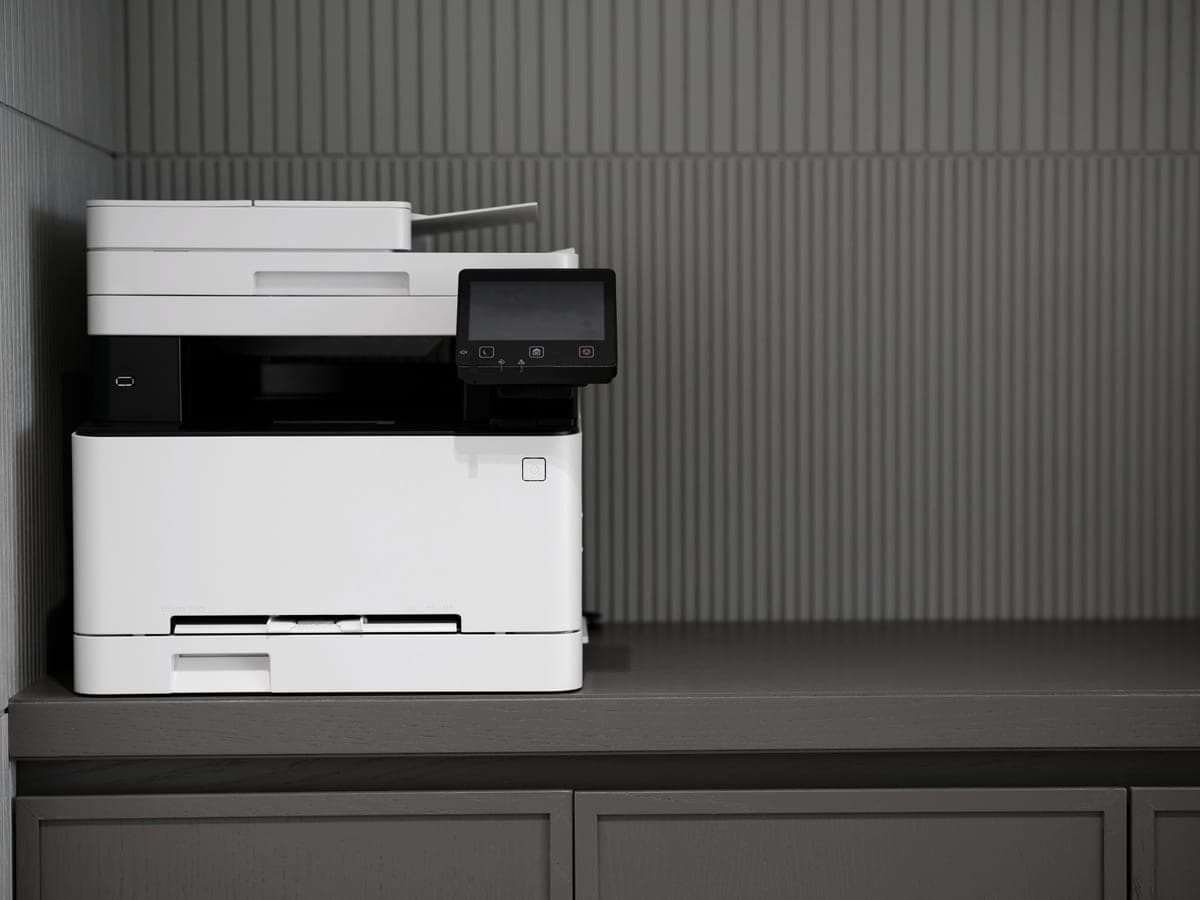
A modern printer on a minimalist office desk
Brother HL-L2460DWAbout 3.3¢ a page, and nothing to dry out
If you want toner~3.3¢
2
A person using a home inkjet printer at a desk beside printed sheets
Epson EcoTank ET-2800About 0.4¢ mono, 1.1¢ color, and it prints photos
If you want ink~0.4¢
3
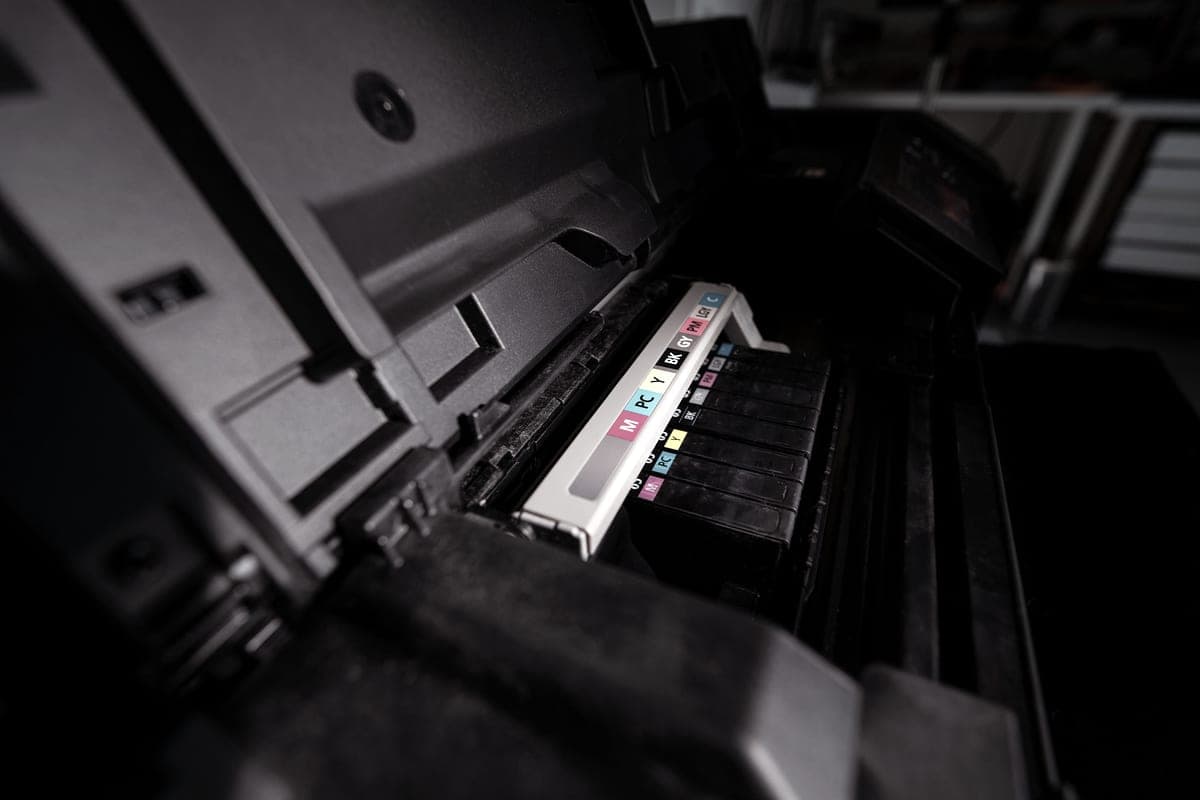
An open inkjet printer with its color ink reservoirs visible
Canon PIXMA MegaTank G3270Pigment black, which resists smudging the way fused toner does
Ink that behaves a bit more like toner~0.3¢

#ad — buy links are affiliate links and we may earn a commission at no cost to you. How this site is funded. We do not display live prices, so every button sends you to Amazon’s own page for the current one. Cost-per-page figures are arithmetic on supply prices we read on 27 September 2026 — here is the method.

What is the difference between toner and ink?

Toner is a dry plastic powder that a laser printer fuses onto paper with heat. Ink is a liquid that an inkjet sprays through microscopic nozzles. Toner cannot dry out and resists smudging; ink is cheaper per page in a refillable tank and is the only one of the two that prints photographs.

This question usually gets answered as a list of pros and cons, which obscures the fact that all of them come from one physical difference. Understand that difference and every practical consequence is predictable.

How we approached this

As an explanation first and a recommendation second, because the question is genuinely one about mechanism. Every claim below about durability, drying, text crispness and photographic output follows from how the two consumables physically reach the paper, and we have said which mechanism produces which consequence rather than asserting the consequence on its own.

The cost figures are ours, computed from supply prices and manufacturer-rated yields. The industry ranges for cartridge ink and color laser are cited to their publisher.

The mechanism

How toner gets onto paper

A laser charges a drum with a pattern of the page, the charged areas attract the toner powder, the powder transfers to the paper, and a hot fuser melts it so it bonds. The toner is a plastic powder throughout, and the result is a layer sitting on the paper surface.

How ink gets onto paper

An inkjet fires droplets of liquid ink through nozzles a fraction of a millimeter across. The ink then either soaks into the paper fibers (a dye ink) or dries on the surface (a pigment ink). Nothing is heated and nothing is fused.

The consequences, each traced to its cause

Every difference, and the mechanism it comes from
DifferenceTonerInkWhy
Can dry outNoYesPowder has no solvent to evaporate; liquid ink at an unused nozzle dries and blocks it
Cost per page~3.3¢~0.4¢ from a bottleToner is a manufactured powder in a cartridge; bottle ink has almost no packaging overhead
ColorExpensive, four cartridgesCheap on a tank printerFour separate toner cartridges versus four bottles of the same liquid
PhotographsNoYesFused powder cannot produce the tonal depth of ink absorbed into a photo coating
Water and smudge resistanceVery goodDye is poor; pigment is goodFused toner is bonded plastic; dye ink is water-soluble in the fibers
Small text crispnessCrispCan spread slightlyLiquid can wick along paper fibers; fused powder cannot move
SpeedFastModestA laser images a whole page at once; an inkjet sweeps a head across it
Printer sizeBulkierCompactThe fuser needs space and heat management

Cost figures are our arithmetic on prices read 27 September 2026. Color laser pricing per Toner Buzz is between 12 and 15 cents a page.

“Is there a printer that does not use ink?”

This is a common way of asking the question, and the answer is: a laser printer, which uses toner powder rather than liquid ink. It still has a consumable — there is no printer that puts marks on ordinary paper without one — but nothing in it can dry out, which is usually what the person asking is actually worried about.

Thermal printers, which use heat-sensitive paper and no consumable at all, exist for receipts and labels. They cannot print a document and the output fades, so they are not an answer to this question.

The interesting middle case: pigment ink

Pigment ink blurs this comparison in a useful way. Like toner, it sits on the paper surface rather than soaking in, which gives it toner-like crispness on plain paper and toner-like resistance to smudging and water — while remaining a liquid ink with a liquid ink’s cost advantage.

What it does not inherit is toner’s immunity to drying, and it is slightly worse than dye ink on glossy photo paper for the same reason it is better on plain paper. The Canon MegaTank G3270 is the pigment-black printer we cover.

So which should you choose?

  1. Photographs or color? Ink, and specifically a refillable tank.
  2. Black text, printed rarely? Toner. The drying-out difference is the whole reason.
  3. Black text, printed constantly? Either; toner is faster, ink is cheaper.
  4. Documents that get handled or might get wet? Toner, or a pigment ink.
Specifications and running costs side by side, for the printers discussed on this page.
PrinterSupply typeMono per pageColor per pageAuto duplexFeederList price
Brother HL-L2460DWToner~3.3¢mono onlyYesNo$180
Epson EcoTank ET-2800Ink bottles~0.4¢~1.1¢NoNo$240
Canon PIXMA MegaTank G3270Ink bottles~0.3¢~0.8¢Not statedNo$249
Brother HL-L3220CDWToner~3.2¢not publishedYesNo$285

Cost-per-page figures are our own arithmetic: supply price divided by the manufacturer’s rated page yield, using prices read on 27 September 2026 and yields rated at the ISO 5% coverage standard. They are not measured by us and they are not current prices. Every input, and the working · run the numbers for your own printing

The picks in detail

If you want toner

Brother HL-L2460DW

If you print black text and nothing else, this is the printer to buy. It cannot dry out, it duplexes, and Brother does not block third-party toner.

A modern printer on a minimalist office desk

Illustrative photograph of this kind of printer. We do not have this model in hand and this is not a photograph of the unit.

Check price on Amazon

#ad — we may earn a commission. How this site is funded. We do not show live prices; Amazon’s page is the price of record.

~3.3¢ per mono page

Based on a Brother TN830XL high-yield toner cartridge rated at 3,000 pages at $98.29, priced on 27 September 2026.

  • Brother TN830XL high-yield toner cartridge — rated 3,000 pages (ISO/IEC 19752), $98.29 at Brother USA, checked 27 September 2026

Yields are manufacturer-rated at the ISO 5% page-coverage standard, not measured by us, and real-world cost runs higher. Prices are not live: this is arithmetic on a price we read on the date shown, not a current price. How we calculate cost per page.

List price
$179.99 at Brother USA, checked 27 September 2026
Supply type
Toner cartridge
Print speed
Up to 36 pages per minute
Two-sided printing
Automatic
Document feeder
None
Connectivity
Dual-band wireless (2.4 GHz / 5 GHz), Ethernet or USB
Subscription
None required

What we like

  • Toner does not dry out, so it is ideal if you print in occasional bursts
  • Automatic two-sided printing at 36 pages per minute
  • Brother has publicly denied blocking third-party toner with firmware

What you give up

  • Black only - no color at all
  • Cost per page is roughly ten times a tank printer's
  • The 700-page starter cartridge runs out fast; budget for a TN830XL

The toner answer. Black text at 36 pages a minute, automatic duplexing, and a consumable that is completely indifferent to how long the printer sits unused.

Toner costs more per page than bottle ink and cannot print color affordably or photographs at all. Those are the trades.

Specifications read from the manufacturer’s own product page on 27 September 2026. Full cost-to-run breakdown for the Brother HL-L2460DW →

If you want ink

Epson EcoTank ET-2800

The cheapest way to get genuinely low-cost color printing at home, as long as you can live without an auto duplexer or a document feeder.

A person using a home inkjet printer at a desk beside printed sheets

Illustrative photograph of this kind of printer. We do not have this model in hand and this is not a photograph of the unit.

Check price on Amazon

#ad — we may earn a commission. How this site is funded. We do not show live prices; Amazon’s page is the price of record.

~0.4¢ per mono page · ~1.1¢ per color page

Based on a Epson 522 black ink bottle rated at 4,500 pages at $17.99, priced on 27 September 2026.

The color figure adds one per-page cost for each of the three color channels, because an ISO color page draws from all of them.

  • Epson 522 black ink bottle — rated 4,500 pages (ISO/IEC 24712), $17.99 at Epson US, checked 27 September 2026
  • Epson 522 color ink bottle — rated 7,500 pages (ISO/IEC 24712), $17.99 at Epson US, checked 27 September 2026

Yields are manufacturer-rated at the ISO 5% page-coverage standard, not measured by us, and real-world cost runs higher. Prices are not live: this is arithmetic on a price we read on the date shown, not a current price. How we calculate cost per page.

List price
$239.99 at Epson US, checked 27 September 2026
Supply type
Refillable ink bottles
Two-sided printing
Manual only
Document feeder
None
Connectivity
Wireless
Subscription
None required

What we like

  • Among the lowest cost per page of any printer sold for home use
  • Refillable bottles, so no chipped cartridge can be locked out by firmware
  • Comes with enough ink in the box to last most households a long time

What you give up

  • No automatic two-sided printing, so paper costs twice what it needs to
  • Flatbed scanner only - no document feeder for multi-page scans
  • Inkjets still need to be used occasionally or the print head can clog

The ink answer, in its cheapest sensible form. Bottle-fed liquid ink at a fraction of a cent a page, color included, and genuine photographic output.

Liquid ink needs using. That is the price of everything above.

Specifications read from the manufacturer’s own product page on 27 September 2026. Full cost-to-run breakdown for the Epson EcoTank ET-2800 →

Ink that behaves a bit more like toner

Canon PIXMA MegaTank G3270

The cheapest cost per page of any printer we cover, and the pigment black is the reason to pick it over an EcoTank if your prints get handled.

An open inkjet printer with its color ink reservoirs visible

Illustrative photograph of this kind of printer. We do not have this model in hand and this is not a photograph of the unit.

Check price on Amazon

#ad — we may earn a commission. How this site is funded. We do not show live prices; Amazon’s page is the price of record.

~0.3¢ per mono page · ~0.8¢ per color page

Based on a Canon GI-21 pigment black ink bottle rated at 6,000 pages at $17.99, priced on 27 September 2026.

The color figure adds one per-page cost for each of the three color channels, because an ISO color page draws from all of them.

  • Canon GI-21 pigment black ink bottle — rated 6,000 pages (ISO/IEC 24712 (Canon default print mode)), $17.99 at Target, checked 27 September 2026
  • Canon GI-21 color ink bottle — rated 7,700 pages (ISO/IEC 24712 (Canon default print mode)), $12.99 at Target, checked 27 September 2026

Yields are manufacturer-rated at the ISO 5% page-coverage standard, not measured by us, and real-world cost runs higher. Prices are not live: this is arithmetic on a price we read on the date shown, not a current price. How we calculate cost per page.

List price
$248.99 at Office Depot, checked 27 September 2026
Supply type
Refillable ink bottles
Two-sided printing
Not stated on the spec page we read
Document feeder
None
Connectivity
Wireless
Subscription
None required

What we like

  • Lowest cost per page of any model on this site, mono and color
  • Pigment black ink smudges less on plain paper
  • Large 170 mL bottles, so refills are infrequent

What you give up

  • Canon's own store would not show us a price, so ours is a retailer listing
  • No document feeder
  • Canon's headline yields assume its default print mode, not draft mode

Worth knowing about in this specific comparison. One of toner’s real advantages is that it sits on the paper and resists smudging and water. A pigment ink does the same thing for the same reason — it stays on the surface rather than soaking in.

So a pigment-black tank printer closes one of the gaps in this comparison while keeping the cost advantage. It does not close the drying-out gap.

Specifications read from the manufacturer’s own product page on 27 September 2026. Full cost-to-run breakdown for the Canon PIXMA MegaTank G3270 →

Questions people actually ask

What is the difference between toner and ink?

Toner is a dry plastic powder that a laser printer fuses onto paper with heat. Ink is a liquid sprayed through microscopic nozzles. Toner cannot dry out and resists smudging; ink is cheaper per page from a bottle and is the only one that prints photographs.

Are there printers that do not use ink?

Laser printers use toner powder rather than liquid ink, which is usually what people mean. There is no printer that marks ordinary paper without a consumable of some kind. Thermal printers use no consumable but need special paper and the output fades.

Which is cheaper, toner or ink?

Ink from a refillable bottle is much cheaper — about 0.4 of a cent a page against 3.3 cents for high-yield toner. Ink in cartridges is more expensive than toner, which is why the format matters more than the substance.

Does toner go bad or dry out?

No. It is a dry powder with nothing to evaporate. Unopened toner keeps for years, and an installed cartridge is equally happy after months of disuse.

Is toner better than ink for documents?

For black text that gets handled, yes: fused toner gives crisper small text and much better water and smudge resistance. A pigment ink achieves much of the same thing for the same reason — it sits on the surface rather than soaking in.

Sources