
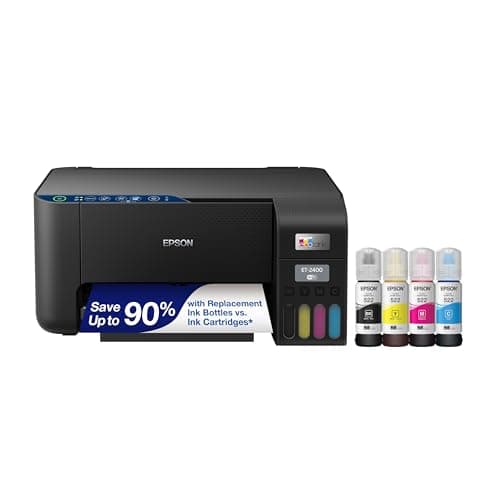
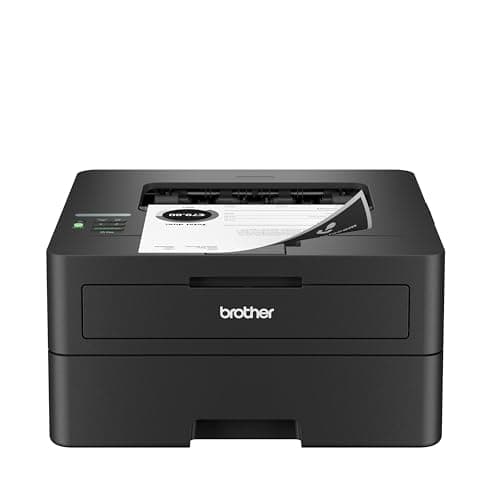
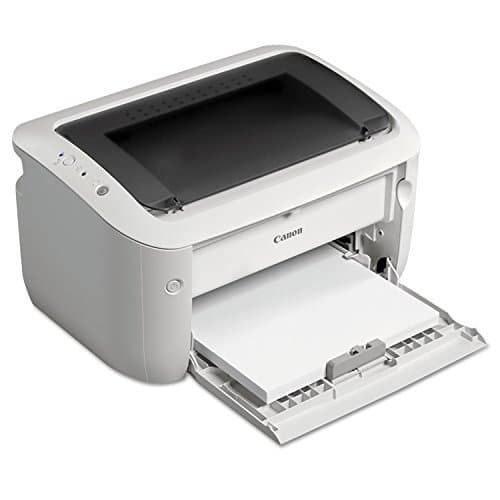
Printer hardware is frequently sold at or near cost, and the money is made back on supplies. That is not a scandal, it is a pricing model — but it means the cheapest box on the shelf is very often the most expensive machine to own, and the gap grows every month you keep it.
How we picked
This page is ranked on total cost rather than on price, which is the opposite of how a budget roundup usually works. For each candidate we took the list price from the manufacturer’s own store where one was published, added three years of supplies at a realistic monthly page count, and compared those totals.
One model is included specifically because it loses that comparison. A cheap body paired with a low-yield, high-priced cartridge is the most common trap in this category, and showing it alongside the alternatives is more useful than leaving it out.
Cheap to buy is not cheap to own
Here is the arithmetic that should decide a budget printer purchase and almost never does. Take a printer that is sixty dollars cheaper and costs three extra cents a page. Two thousand pages later you are level. Four thousand pages later — which is three or four years of ordinary household printing — you are sixty dollars behind.
The trick is that the sticker price is one number you see once and the supply cost is many small numbers you never add up. So people optimize the one they can see.
| Printer | List price we read | Cost per black page |
|---|---|---|
| Epson EcoTank ET-2400 | $189.99 (Epson US) | ~0.4¢ |
| Brother HL-L2460DW | $179.99 (Brother USA) | ~3.3¢ |
| Canon imageCLASS LBP6030w | not published where we checked | ~6.1¢ |
Prices read on 27 September 2026 from the sources listed at the foot of this page. Cost per page is our own arithmetic on manufacturer-rated yields — the method. Note that the cheapest printer here to buy is also the dearest to feed.
Where the crossover actually is
At very low volumes, sticker price dominates and the cheap laser wins. As volume rises, supply cost dominates and the tank printer wins. The crossing point on the figures above lands somewhere around twenty to forty pages a month, which is why we keep repeating that range rather than naming a single winner.
We built a calculator precisely because your crossover is not ours. Put in your monthly pages and the answer takes about thirty seconds.
Three false economies to avoid
- Buying the standard cartridge instead of the high-yield one. On the Brother, the standard TN830 works out at about 5.1 cents a page against 3.3 cents for the XL. The cheaper cartridge is the dearer choice.
- Buying a printer without a duplexer. Paper is roughly a cent a sheet. On a cheap-to-feed printer that means paper costs you more than ink, and manual duplexing means paying it twice.
- Accepting a supply plan during setup to get a discount. The discount is real and so is the ongoing charge. Getting out again is measurably more annoying than getting in.
Buying the right printer is most of this, but not all of it: the setup wizard still offers you a plan and the app still wants an account. How to use a printer without a subscription is the step-by-step version, including what to do if you are already enrolled.