
Teaching is the only household printing job that behaves like an office. A class set is not one page, it is twenty-eight. Then the whole thing stops dead for ten weeks. Every printer recommendation for teachers we could find ignores both facts and recommends whatever it recommends to everyone else.
What printer should a teacher buy?
A refillable ink tank printer if you print color class sets, because color costs about 1.1 cents a page instead of roughly twenty. A mono laser if you print black text and the machine will sit unused all summer, because toner cannot dry out. The volume is what makes a tank printer worth it; the summer break is what sometimes makes a laser the safer buy anyway.
How we picked
We started from the volume, because it is the thing that separates this buyer from every other one on this site. Then we applied four filters in order.
- Cost per page at class-set volume. Computed from the largest genuine supply each printer takes, divided by the manufacturer’s rated yield. At 500-plus pages a month the supply cost overtakes the printer price inside the first year, so this is filter one and nothing else comes close.
- Color, honestly assessed. Not “does it print color” — every one of these does except the two mono lasers — but what a color page costs when you need twenty-eight of them.
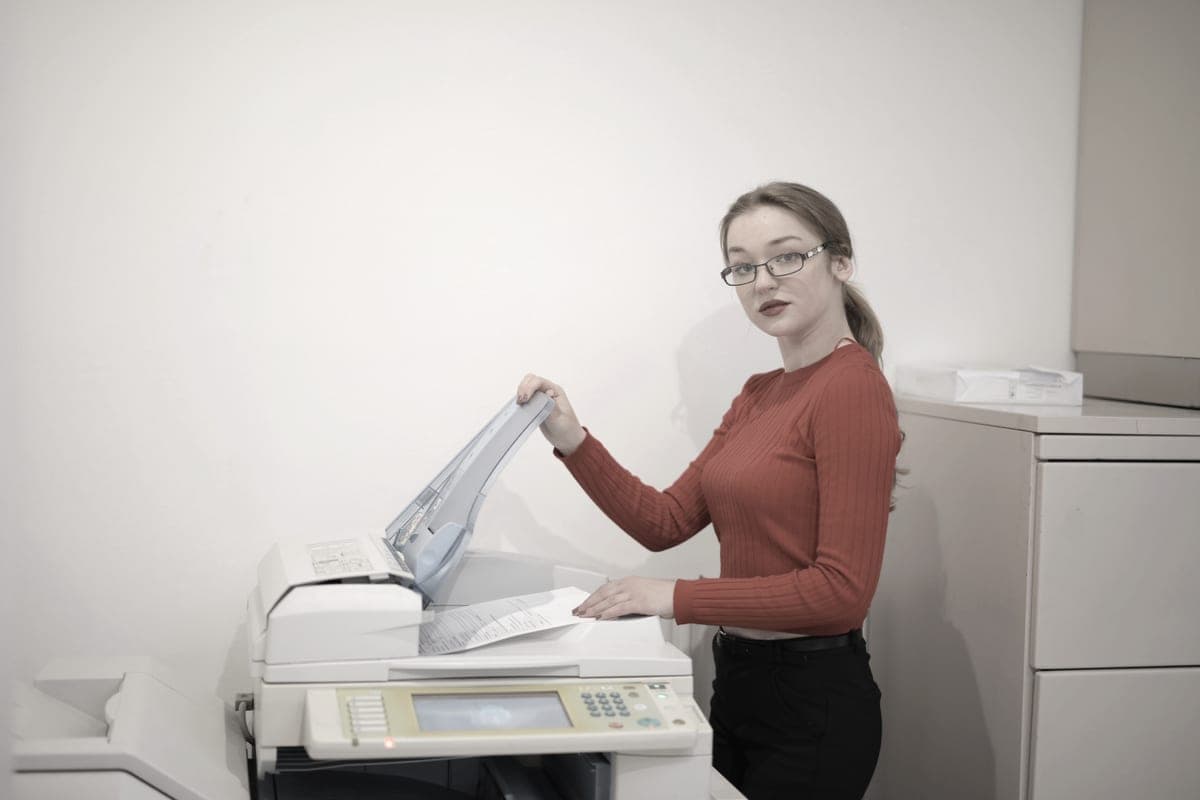
- A flatbed, not just a feeder. Teachers copy out of bound workbooks. A sheet feeder physically cannot do that, and guides that treat a document feeder as the better scanner have the job backwards.
- No subscription, ever. A supplies plan bills a monthly allowance. A teacher works ten months and prints in nine of them. The shape is wrong, and we come back to that below.
We did not filter on print speed. The slowest machine here still outruns the staffroom queue, and pages per minute is the specification most often sold to teachers in place of a cheaper supply.
The number that changes everything
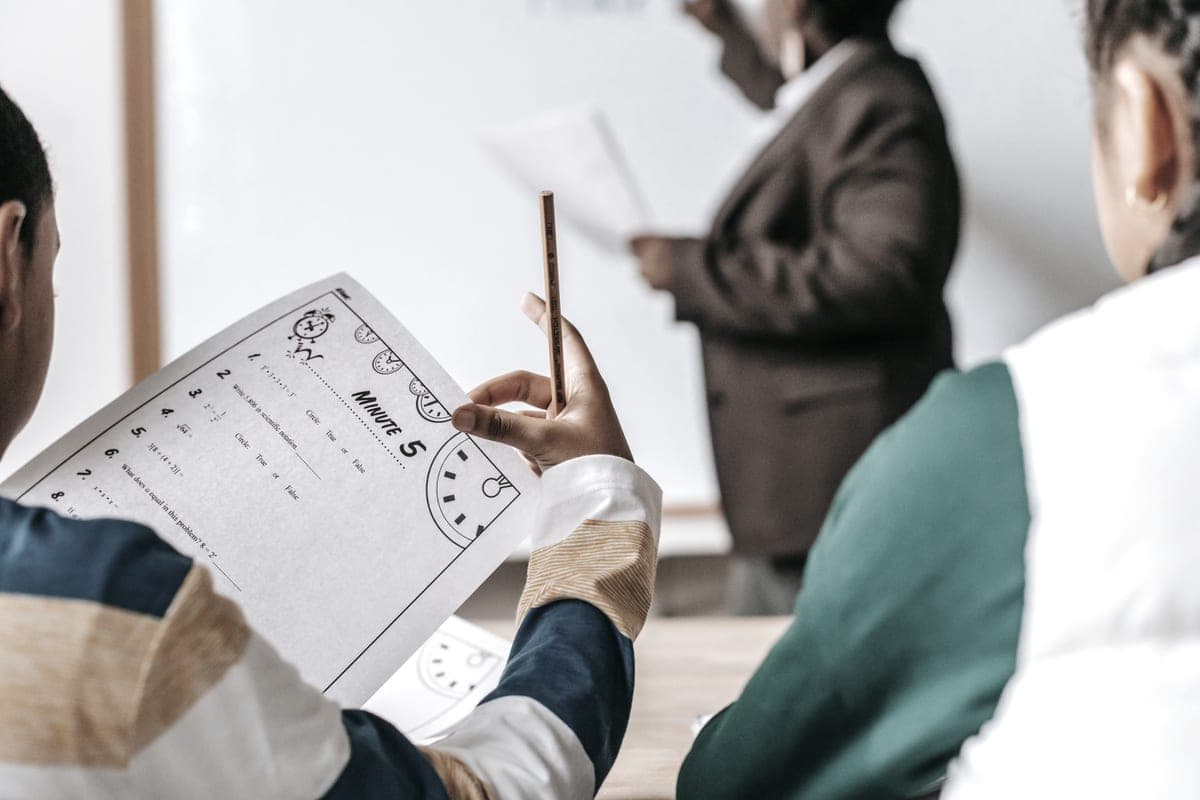
Work it out rather than guessing. A class of twenty-eight, a worksheet or reading sheet twice a week, thirty-six teaching weeks: that is roughly two thousand pages a year from one class alone, before you count mark schemes, letters home, display material, cover work and the things you print twice because the first version had a typo.
Call it 500 pages in a busy month. Here is what three years of supplies costs at that rate, on each of the four machines, using nothing but our own arithmetic on published prices and rated yields.
| Pages a month | Epson 522 ink | Canon GI-21 ink | Brother TN830XL toner |
|---|---|---|---|
| 200 — a light secondary load | $29 | $22 | $236 |
| 500 — one class, two sheets a week | $72 | $54 | $590 |
| 1,000 — several classes, or a homeschool | $144 | $108 | $1179 |
Supplies only, black pages only. Paper, drum replacement and electricity are excluded. Our arithmetic is supply price divided by the manufacturer’s rated page yield at the ISO 5% coverage standard, using prices read on the dates in our sources. The method in full.
At 1,000 pages a month the toner bill over three years is larger than any printer on this page costs to buy, several times over. That is the entire financial case for a tank printer in this job, and it gets stronger every year you keep teaching.
Color: a grade-level question, not a preference
Early years and elementary teaching is full of color. Sorting activities, phonics cards, labeled diagrams, reward charts, anything a five-year-old is meant to engage with. Secondary teaching is overwhelmingly black text, and the occasional color page can wait for the school copier.
That single distinction decides which half of this page applies to you. If you print color class sets, a tank printer is not a nice-to-have: at roughly about 20 cents a page on cartridges against about 1.1 cents on bottles, color is either affordable or it is not, and the printer decides which.
| Supply | Per color page | One class set of 28 | Two sets a week, one term |
|---|---|---|---|
| Epson 522 bottles (ET-2800) | ~1.1¢ | about $0.31 | about $7.39 |
| Canon GI-21 bottles (G3270) | ~0.8¢ | about $0.22 | about $5.38 |
| Published figure for cartridge inkjet color (Toner Buzz) | about 20 cents a page | about $5.60 | about $134.40 |
The first two rows are our arithmetic on bottle prices and Epson’s and Canon’s rated yields; one term is taken as twelve weeks. The third row is Toner Buzz’s published range for cartridge inkjet printing, not our measurement, carried here for scale only.
Why we are not pushing two-sided printing at you
Everywhere else on this site we argue hard for automatic two-sided printing, because on a tank printer the paper costs more than the ink and duplexing halves the paper. For class sets that argument partly collapses, and it is worth saying so plainly.
A worksheet a child has to write on wants one side. A sheet that gets glued into an exercise book wants one side. A reading passage you want visible next to the questions wants one side. Duplexing a class set of worksheets produces a stack of paper that is cheaper and worse.
Where it genuinely pays is on the long documents a teacher also prints: schemes of work, revision packs, reports, policy documents, booklets. If that is a real part of your week, the two Brother machines here duplex and the two tank printers do not — the tank printers that do duplex covers that route, at a price.
The summer problem, taken seriously
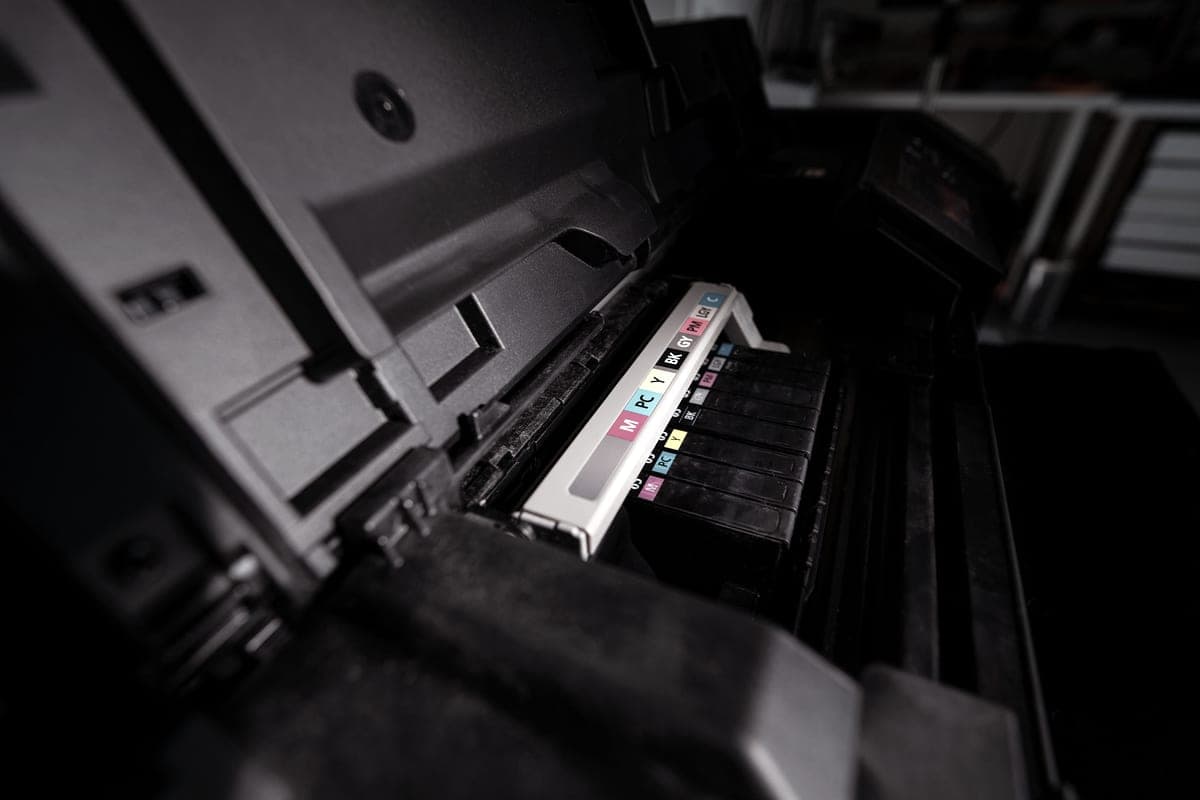
This is the honest risk in recommending a tank printer to a teacher, and we are not going to bury it. An inkjet prints by pushing liquid through very fine nozzles. Leave it unused for eight to ten weeks in a warm room and the ink at the nozzle plate can dry enough to need a head cleaning cycle, and head cleaning spends ink.
A laser has no equivalent failure. Toner is a dry powder with nothing to evaporate, which is why half this page is lasers despite the cost per page.
If you buy a tank printer anyway, and most teachers should, the mitigation is unglamorous:
- Print one color page a week over the break. A calendar reminder is the whole technique, and it costs a fraction of a cent.
- Leave the printer powered at the wall rather than switched off, so it can run its own maintenance cycle.
- Keep it out of a hot, sunny room. A staffroom window ledge in July is the worst possible location.
- Do not drain the tanks to empty before the break. Ink in the lines is doing a job.
We argue this out at length, with the volumes at which each wins, in the page where we argue against tank printers.
A supplies plan is the wrong shape for a teaching year
This matters more for teachers than for almost anyone, and it is the reason this site exists. A printer supplies subscription bills a monthly page allowance. You pay in July. You pay in August. You print nothing in either month, and the allowance does not care.
Worse, in term time the shape inverts: a teacher’s printing is spiky — a quiet fortnight, then a hundred and eighty pages before a parents’ evening — and an allowance priced for the average either wastes money most months or runs over in the months that matter.
There is also the mechanism people discover too late. Plan cartridges typically belong to the service rather than to you, and can stop working when the plan ends. Buying supplies versus renting them, and what happens when a canceled plan stops your printer. Every printer on this page refills or reloads from supplies you buy outright and own.
Homeschool: the same arithmetic, different calendar
Homeschooling families land on this page looking for the same thing, and the volume math is identical or higher — curriculum pages, workbooks, lapbooks and printables add up faster than a single classroom does, and there is no school copier to fall back on.
Two differences worth naming. First, the idle gap moves: if you school year-round, the summer problem above largely disappears and a tank printer becomes the straightforward answer. Second, you are usually printing for a handful of children rather than twenty-eight, so a single page is a single page — which makes color far more affordable and makes the cheapest-per-page machine the obvious buy.
What about the school copier?
Use it. It is faster, it is already paid for, and it collates. The home printer is for the evening and the weekend, for the thing you finished at nine o’clock that is needed at nine the next morning, and for the terms when the department photocopying budget has run out in May.
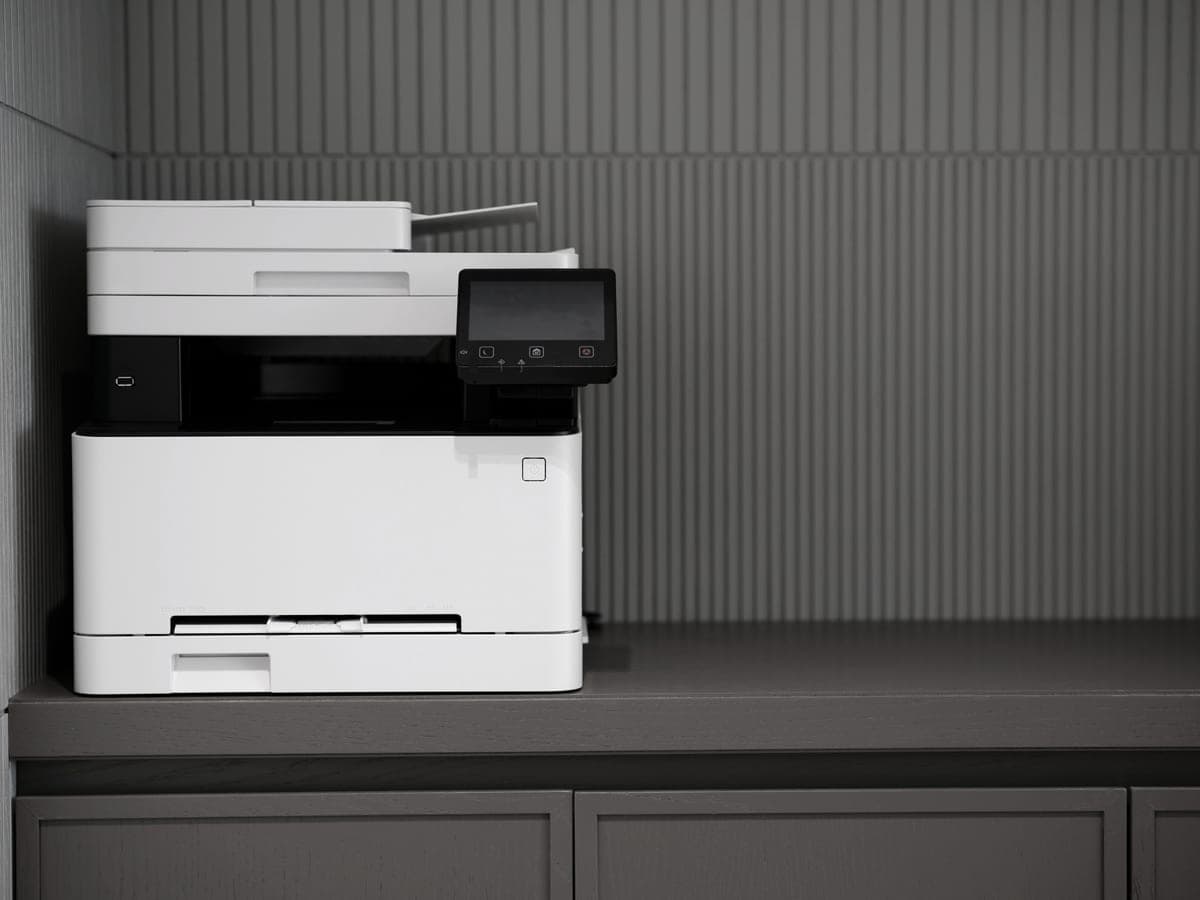
Which is a useful way to size the purchase. You are not replacing a commercial copier, so do not buy a machine priced as though you were. You are buying something that makes a class set at home without the ink cost making you think twice, and all four printers here do that for under $300 at list.
So which one
- Early years or elementary, color constantly: the EcoTank ET-2800, and set the summer reminder.
- Highest volume, and the prints get handled: the Canon MegaTank G3270, for the lowest cost per page here and the pigment black.
- You copy out of workbooks all week and want zero maintenance: the Brother MFC-L2820DW, accepting mono only.
- Secondary, black text, and you will not think about it again: the Brother HL-L2460DW, and buy the high-yield cartridge with it.