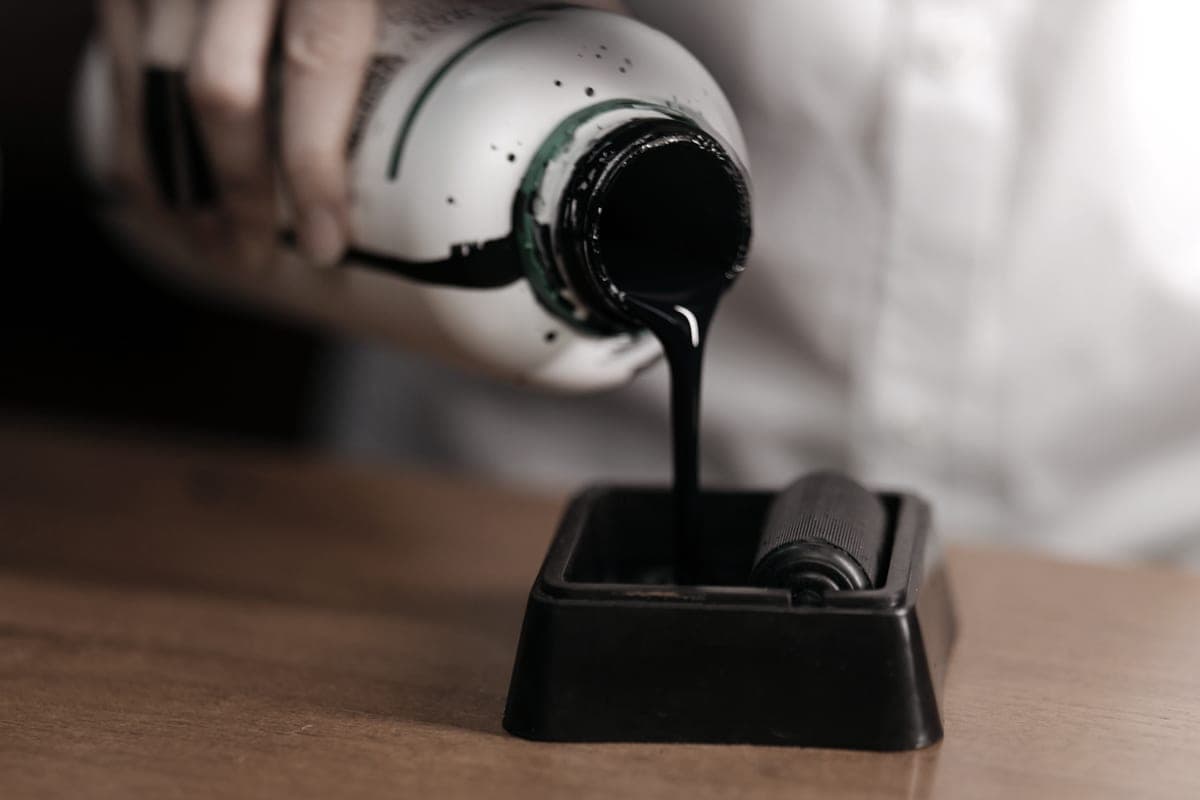

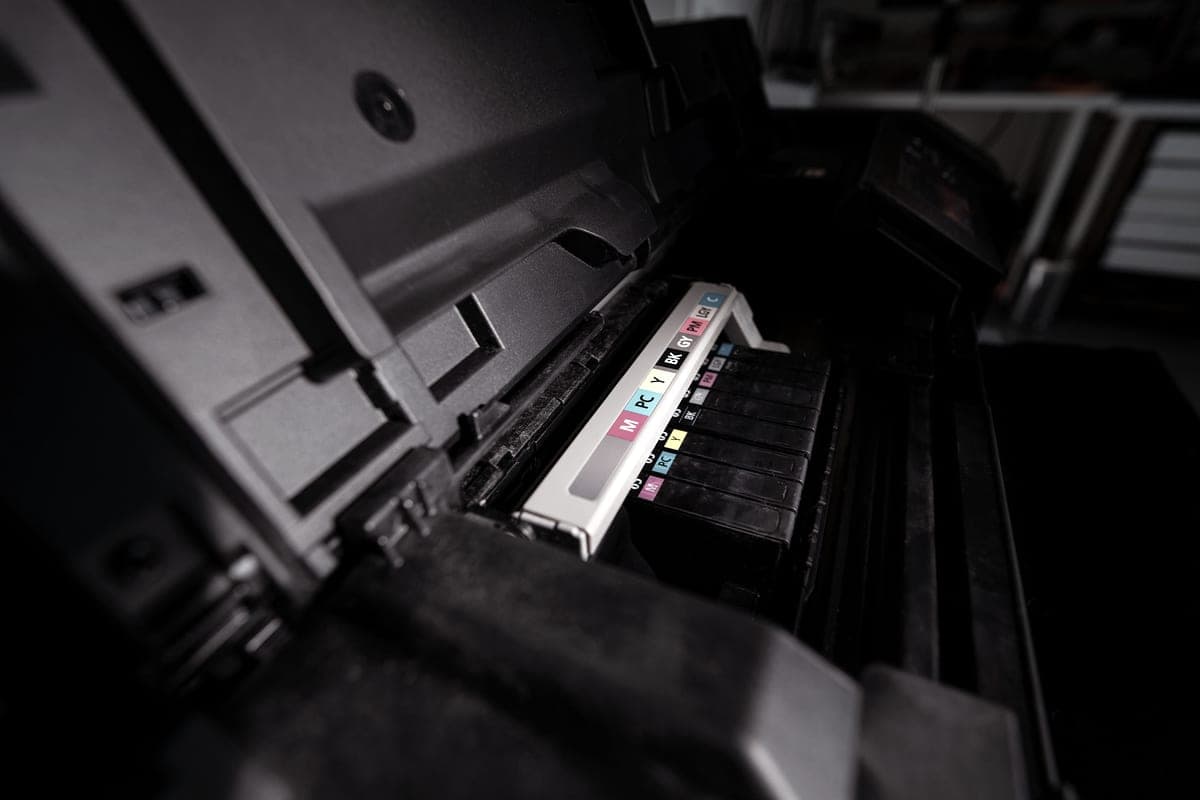

HP Smart Tank is a real ink tank line, not a cartridge printer with a marketing name. It refills from bottles, which means the mechanism behind every HP lock-out story does not apply to it. That is worth saying clearly, because plenty of coverage lumps the whole brand together. The catch on this page is different and it is ours: we could not confirm what the ink costs.
How we picked
Two things settled the order. First, whether the supply is bottle-fed, which is the question a reader looking at HP is usually really asking. Second, whether we could read a price for that supply and therefore publish a cost per page — because a tank printer recommended without a running-cost figure is a recommendation with its central claim missing.
The Smart Tank 7001 passes the first test and fails the second. It stays at the top of the page because that is the query, and the three machines below it are there because we can show you their numbers.
What Smart Tank actually is
An ink tank printer in the same sense as an Epson EcoTank or a Canon MegaTank: reservoirs inside the printer that you top up from bottles, rather than cartridges you swap. HP’s bottles for the 7000 series are the 32XL in black and the 31 in color, and HP states yields of about 6,000 pages for black and about 8,000 for each color bottle.
Those are high rated yields, particularly on color — higher than Epson’s 522 color bottle at 7,500 pages. If HP’s bottle prices are competitive, the cost per page would be competitive too. We do not know whether they are.
Does the HP lock-in problem apply?
Not to a Smart Tank, and this is the most useful thing on the page. HP operates a named firmware feature, Dynamic Security, which has prevented affected printers from working with non-HP cartridges. Every part of that depends on a cartridge with a chip in it.
There is no chip in a bottle. Pouring ink into a reservoir gives firmware nothing to authenticate, so the mechanism has nothing to act on. If you want an HP printer and the lock-out history is what has been stopping you, the tank line is the structural answer — what Dynamic Security is and which printers have it.
The subscription question, separately
A Smart Tank does not need Instant Ink in order to print. HP does market its plans heavily across the range, so expect the offer during setup, and declining it changes nothing about the printer. That is a billing arrangement, not a firmware restriction, and the two get conflated constantly.
The important distinction: a plan is canceled, where a lockout is not. On cartridge printers enrolled in a plan, canceling has left owners unable to use cartridges they already own — what that looks like and whether HP printers require one.
Smart Tank against the tanks we can price
| Printer | Supply | Rated yield, black | Cost per page we can publish |
|---|---|---|---|
| HP Smart Tank 7001 | HP 32XL black / HP 31 color bottles | 6,000 pages (HP stated) | None - bottle price not confirmed |
| Epson EcoTank ET-2800 | 522 bottles | 4,500 pages (ISO/IEC 24712) | ~0.4¢ mono, ~1.1¢ color |
| Epson EcoTank ET-2850 | 502 bottles | 7,500 pages (ISO/IEC 24712) | ~0.3¢ mono, ~1.2¢ color |
| Canon PIXMA MegaTank G3270 | GI-21 bottles | 6,000 pages (Canon default mode) | ~0.3¢ mono, ~0.8¢ color |
Yields are each manufacturer's own stated figure, against the standard named where one was published. HP states its yields without naming the ISO standard on the page we read, which is why the row reads 'HP stated'. Cost per page is our arithmetic and exists only where we could read a supply price.
Note that HP’s stated black yield is the highest in the table. That is not nothing — it suggests the ink is not the problem. The problem is that we cannot turn a yield into a cost without a price, and a buyer comparing tank printers on running cost cannot either.
So should you buy one?
If you are already committed to HP hardware — a household that standardises on one brand, or an office with HP drivers already deployed — a Smart Tank is a legitimate purchase, and it is a much better purchase than an HP cartridge printer. Check the current bottle price yourself before you commit, and divide it by the rated yields above.
If you are choosing on running cost with no brand attachment, we would buy an EcoTank or a MegaTank, for the simple reason that we can show you what they cost per page and we cannot show you that here. See our EcoTank roundup, our MegaTank roundup, or the three lines compared head to head.
We will revisit this
This page exists partly as a placeholder for a number we want. If HP publishes a bottle price we can read, we will compute the cost per page and this page will say something more definite. It is dated for that reason.