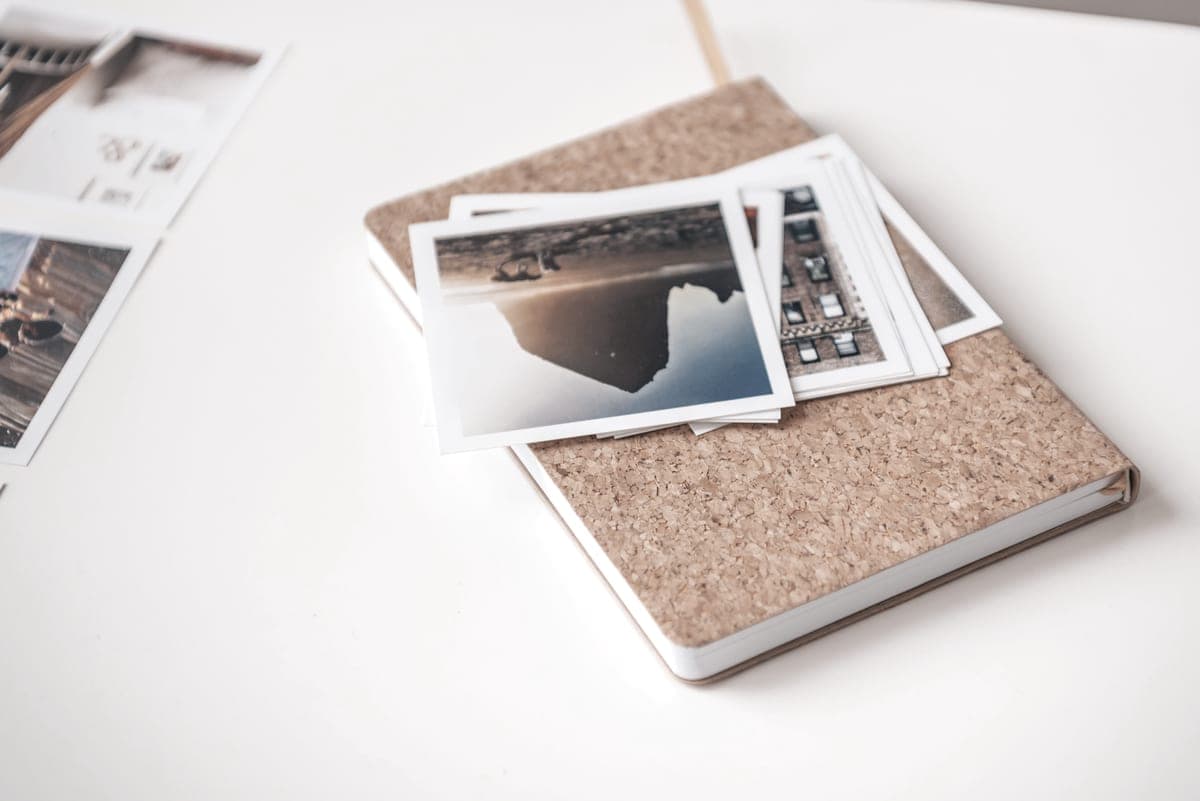


A photograph on glossy paper uses a great deal more ink than a page of text — a full-coverage print can be many times the ISO 5% test page. That makes photo printing the place where cartridge costs are most painful, and therefore the strongest financial argument for a refillable tank.
How we picked
Two criteria decided this page, and only one of them is cost. The first is the type of black ink: dye for photographs, pigment for documents. That single distinction rules a printer in or out for photo work before anything else is considered, and it is why the cheapest-to-run printer on this site does not appear as a pick here.
The second is how many ink channels there are. Four colors print an acceptable snapshot; six, with a dedicated photo black and a gray, are what separate a photo printer from a document printer that can print photos.
Why the cheapest printer on this site is not here
The Canon MegaTank G3270 has the lowest cost per page of anything we cover, in mono and in color. It is in the comparison table below and it is not a pick, because its black is a pigment ink.
Pigment ink sits on the surface of the paper instead of soaking in. On plain paper that is an advantage: crisper text, much better smudge and water resistance. On glossy photo paper it is a disadvantage, because the deepest blacks and the smoothest gradients come from ink that penetrates the coating. So the printer that wins the cost column loses this page on a physical property, and pretending otherwise would be the easiest kind of dishonesty.
What the six-color set actually buys
- A dedicated photo black, separate from the document black, optimized for the photo paper coating.
- A gray channel. The thing that makes black-and-white photographs work. Without it, grays are mixed from colored inks and tend to carry a color cast.
- Smoother gradients in skies and skin tones, because there are more inks to interpolate between and less reliance on dithering.
Whether that is worth roughly three times the price of a four-color EcoTank depends entirely on whether you would notice. Be honest with yourself before spending it.
The cost case for photos, in numbers
| Printer | Color per page (rated) | Ink type |
|---|---|---|
| Epson EcoTank Photo ET-8550 | ~1.4¢ | Six-color dye, photo black + gray |
| Epson EcoTank ET-2800 | ~1.1¢ | Four-color dye |
| Epson EcoTank ET-2850 | ~1.2¢ | Four-color dye |
| Canon MegaTank G3270 | ~0.8¢ | Pigment black — documents, not photos |
| Cartridge inkjet | about 20 cents a page | Whatever the cartridge holds |
The first four rows are our arithmetic on prices read 27 September 2026; the last is Toner Buzz’s published range, quoted for context. All of these are per ISO page at 5% coverage — a full-bleed photograph uses very much more than that, which multiplies the gap rather than closing it.
That last point matters more here than anywhere else on the site. Because a photograph uses several times the ink of a test page, the difference between a fraction of a cent and twenty cents becomes the difference between a negligible cost and a reason to stop printing photographs at home.
One thing that is not the printer
Photo paper costs far more than the ink on any of these printers. Good glossy letter-size paper is meaningfully more expensive per sheet than plain paper, which means that once you own a tank printer, paper is essentially your entire photo printing cost. That is a much better position to be in than the reverse, and it is worth knowing before you compare printers on ink alone.