There is no such thing as a brand that prints better. Every laser on sale charges a drum, fuses dry toner to paper with heat, and produces black text that nobody could attribute to a maker in a blind test. What brands do differently is charge you afterwards — and that difference runs into hundreds of dollars over the life of a printer. So this page settles the brand question on three published facts, in order, before any printer gets looked at.
Which brand of laser printer is best?
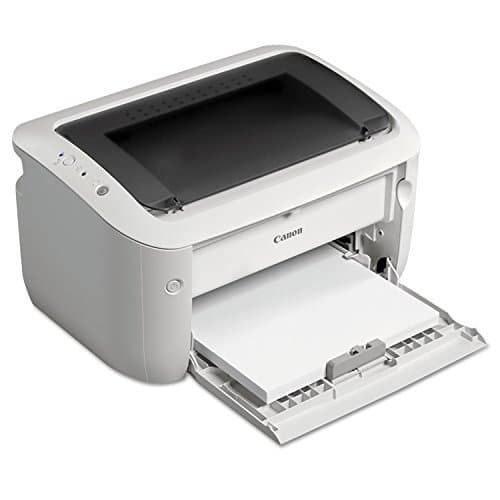
Brother, for most buyers, and the reason is the cartridge ladder rather than the hardware. Brother publishes four mono toner yields across two families with prices on its own store, from about 5.1 cents a page down to about 1.3 cents, and sells the drum as a separate part. Canon is worth buying only with your eyes open — the imageCLASS we price works out at about 6.1 cents a page. We recommend no HP laser, and every Epson we cover is a refillable inkjet rather than a laser.
How we picked
We did not rank printers here and then infer a brand from the winners. We picked the brand first, on three things each maker publishes, and only then named the body that represents it.
One: the cartridge ladder. How many black toner yields does the brand sell for its lasers, and what does each one cost per page? A brand with one yield has decided your cost per page for you. A brand with four has let you buy your way down it as your volume grows.
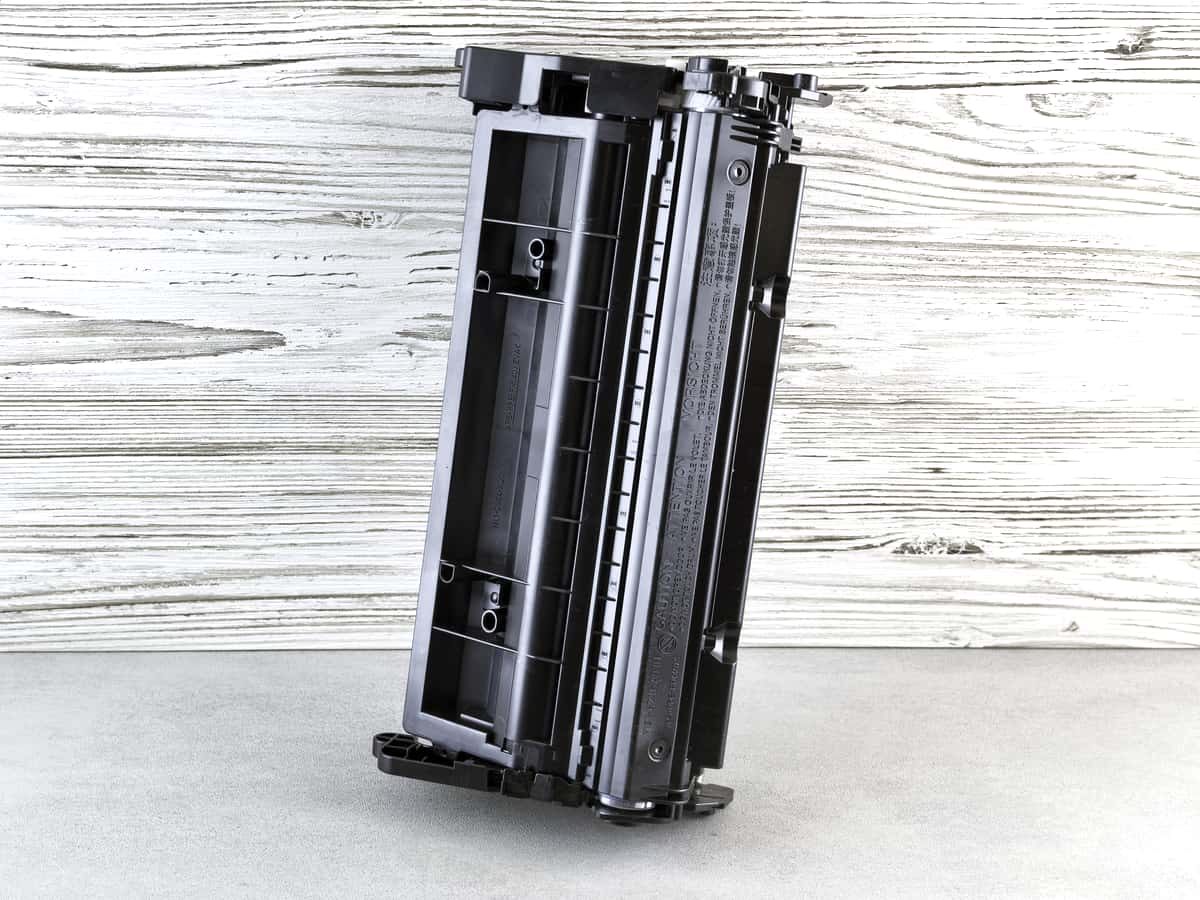
Two: is the drum a separate part? Every laser has two consumables, toner and a photosensitive drum. Brands that sell them separately let you replace the cheap one often and the dear one rarely. Brands that fuse them into one cartridge put the drum’s cost into every single purchase.
Three: what does the brand ask of you after the sale? Whether supplies can be bought outright from anyone, whether firmware has a documented history of rejecting cartridges, and whether a subscription is pushed at you. We compare all four brands on supply policy alone in more depth than this page needs.
Every price below was read from the source named at the foot of this page on the date shown with it, and every cost per page is our own arithmetic on a published rated yield. We have no units in hand and no lab, so nothing here rests on having handled a printer.
The cartridge ladder, brand by brand
This is the table that answers the question. It is every black laser toner we have been able to price from a named source, with our arithmetic beside it.
| Brand | Cartridge | Rated yield | Price we read | Cost per page |
|---|---|---|---|---|
| Canon | Canon 125 black toner cartridge | 1,600 | 96.95 (retailer) | ~6.1¢ |
| Brother | Brother TN830 standard-yield toner cartridge | 1,200 | 60.99 | ~5.1¢ |
| Brother | Brother TN830XL high-yield toner cartridge | 3,000 | 98.29 | ~3.3¢ |
| Brother | Brother TN229XL black high-yield toner cartridge | 3,000 | 96.29 | ~3.2¢ |
| Brother | Brother TN920XXL super high-yield toner cartridge | 11,000 | 204.29 | ~1.9¢ |
| Brother | Brother TN920UXXL ultra high-yield toner cartridge | 18,000 | 241.49 | ~1.3¢ |
Our arithmetic: price divided by the manufacturer’s rated yield at the ISO 5% coverage standard, on prices read from the sources listed below. Brother figures are from Brother’s own store; the Canon figure is a retailer listing because Canon’s store would not serve us a price. The method in full.
Two things fall straight out of that table. The first is that the brand with one cartridge is the brand with the dearest page, roughly four and a half times the cheapest cartridge in the table. The second is that the spread inside a single brand — Brother, from about 5.1 cents to about 1.3 cents — is far wider than any plausible difference between brands at the same rung. Which brand you choose matters; which rung of that brand’s ladder you choose matters more.
The drum question nobody asks at the shelf
A laser has two consumables and the cost-per-page figures above cover only one. The drum is the photosensitive part the laser writes on, it wears out, and how a brand sells it changes the economics quietly.
- Sold separately. On the Brother lasers we cover, drums are their own ordered part with their own rated yield — DR830 on the household mono machines, DR920 at approximately 45,000 pages on the business ones, DR229CL at approximately 20,000 pages on the color model. You replace toner often and the drum rarely, and the cartridge price does not carry the drum’s cost.
- Built into the cartridge. Several brands sell a single all-in-one unit instead. It is simpler to fit and the per-cartridge price carries the drum, which is part of why single-yield cartridges look expensive per page.
We are deliberately not telling you which arrangement the Canon 125 uses, because Canon’s own documentation did not confirm it for us and we are not going to guess at a $97 purchase on your behalf. Check the brand’s own supplies page for your exact model before you buy — what a drum is and when it needs replacing is five minutes well spent first.
What each brand asks of you after the sale
- Brother. Cartridges bought outright from whoever you like. Brother sells an optional Refresh EZ Print plan that ships toner automatically, and nothing requires enrollment for the printer to work. In early 2025 allegations circulated that Brother firmware updates were disabling third-party cartridges; Brother denied this directly, saying its firmware updates do not block third-party ink or toner while acknowledging a genuine-supply check during troubleshooting. We report that as a documented dispute, not a settled fact — the full account.
- Canon. Nothing to decline on the laser we cover: no plan, no enrollment, cartridges bought outright. Canon’s position on third-party supplies for its printers generally is covered in our Canon page.
- HP. We recommend no HP laser, and that is a deliberate omission rather than an oversight. HP’s Dynamic Security firmware has a documented history of rejecting non-HP cartridges, and HP pushes subscriptions for toner as well as ink. If you have arrived here specifically to avoid HP, read the lasers that are not HP and what Dynamic Security does.
- Epson. Absent from this guide for a simple reason: every Epson we cover is a refillable ink tank inkjet rather than a laser. If you are brand-shopping and open to not buying a laser at all, Epson’s bottle-fed machines beat every cartridge on this page by a wide margin on cost per page — EcoTank against laser, on numbers.
The brands we do not cover, and why
Kyocera, Lexmark, Xerox, Ricoh, Pantum and Samsung’s old laser line all appear in this search, and none of them appear on this site. The reason is the same in every case: we have not been able to price their supplies against a published rated yield from a source we would be willing to show you, so we cannot put a cost per page next to them. Ranking a brand without that number would be a guess dressed as advice, and the one promise this site makes is that it does not do that. What we do and do not do.
That is not a verdict on those brands. Kyocera in particular has a long reputation for very high drum and cartridge yields in office machines. It is an admission about the limits of what we have verified, and if we price them later they will appear here.
How to choose, in four lines
- Decide your monthly pages first. Everything else follows from it, and nobody at a shelf can tell you what it is. The calculator takes thirty seconds.
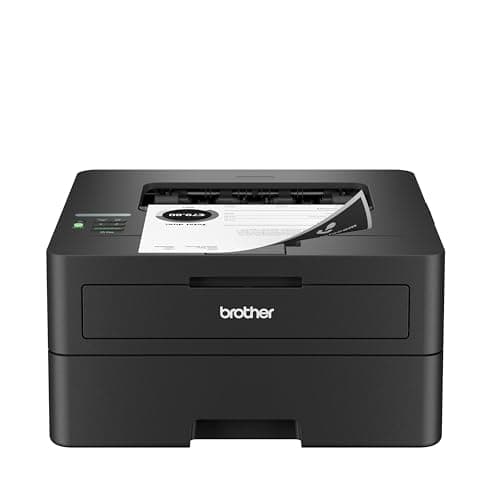
- Under about a hundred pages a month, buy the cheapest competent body on a brand with a high-yield cartridge available. That is the HL-L2460DW at $179.99 for us.
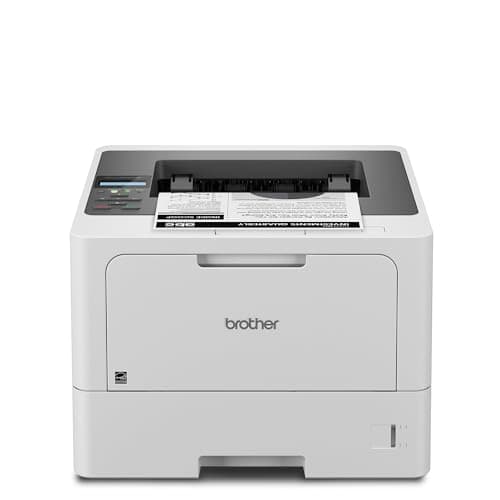
- Above a few hundred, buy into the business cartridge family rather than the cheap body. That is the HL-L5210DW or the HL-L6210DW.
- If you need color or images, the brand question changes shape entirely and the answer is often not a laser at all — what a laser can and cannot do with pictures.