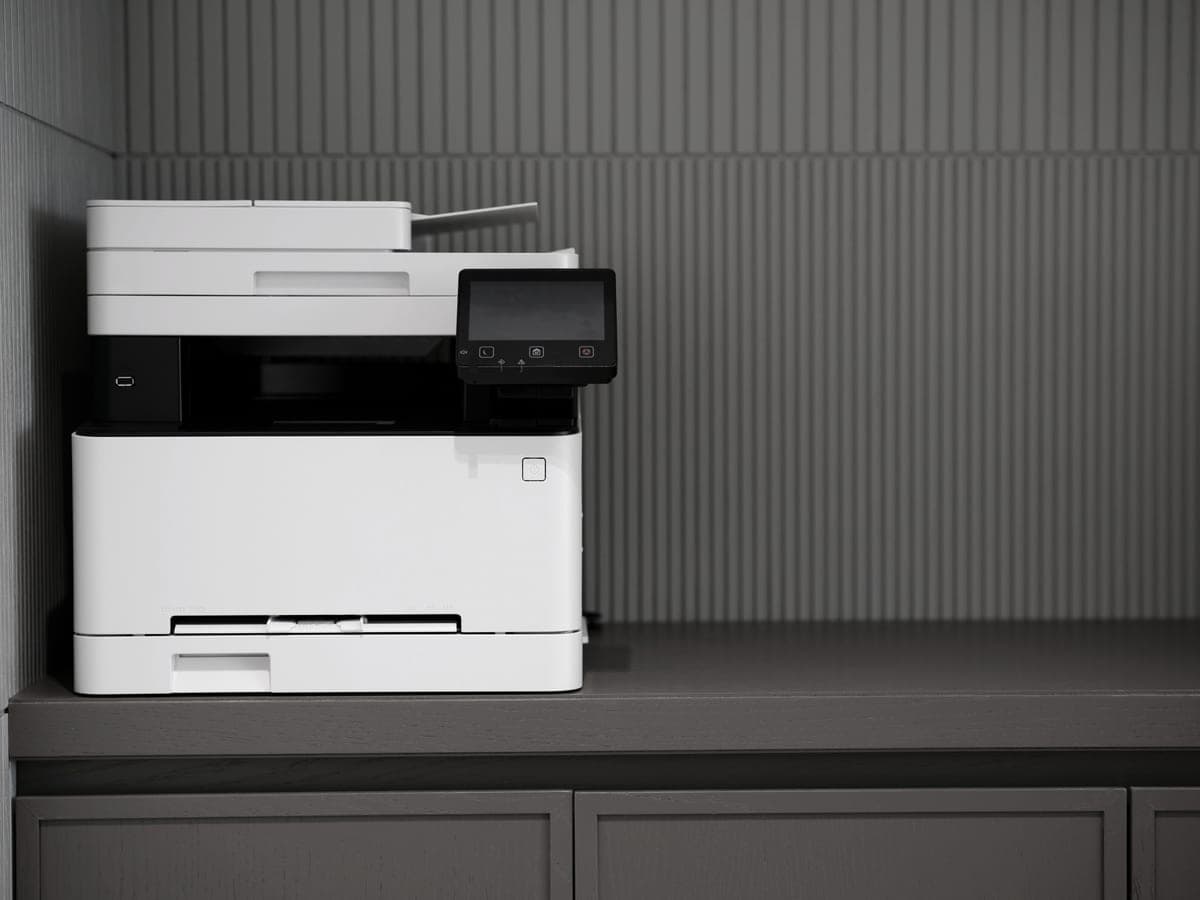

Searching for a wireless laser printer in 2026 is a bit like searching for a car with doors. The useful version of the question is narrower: which band does it use, does it also have a cable, and does it print from a phone without an app.
How we picked
We read the connectivity line on each manufacturer specification page and preferred models that publish dual-band wireless rather than 2.4 GHz alone, and models that carry Ethernet as well. Then the usual filters: cost per page from the largest genuine cartridge, and automatic two-sided printing.
We did not rank on wireless standard numbers. No printer on the market is limited by its radio — a page of text is a few hundred kilobytes, and 802.11n has been more than enough since before most of these printers existed.
Why dual-band is the specification that matters
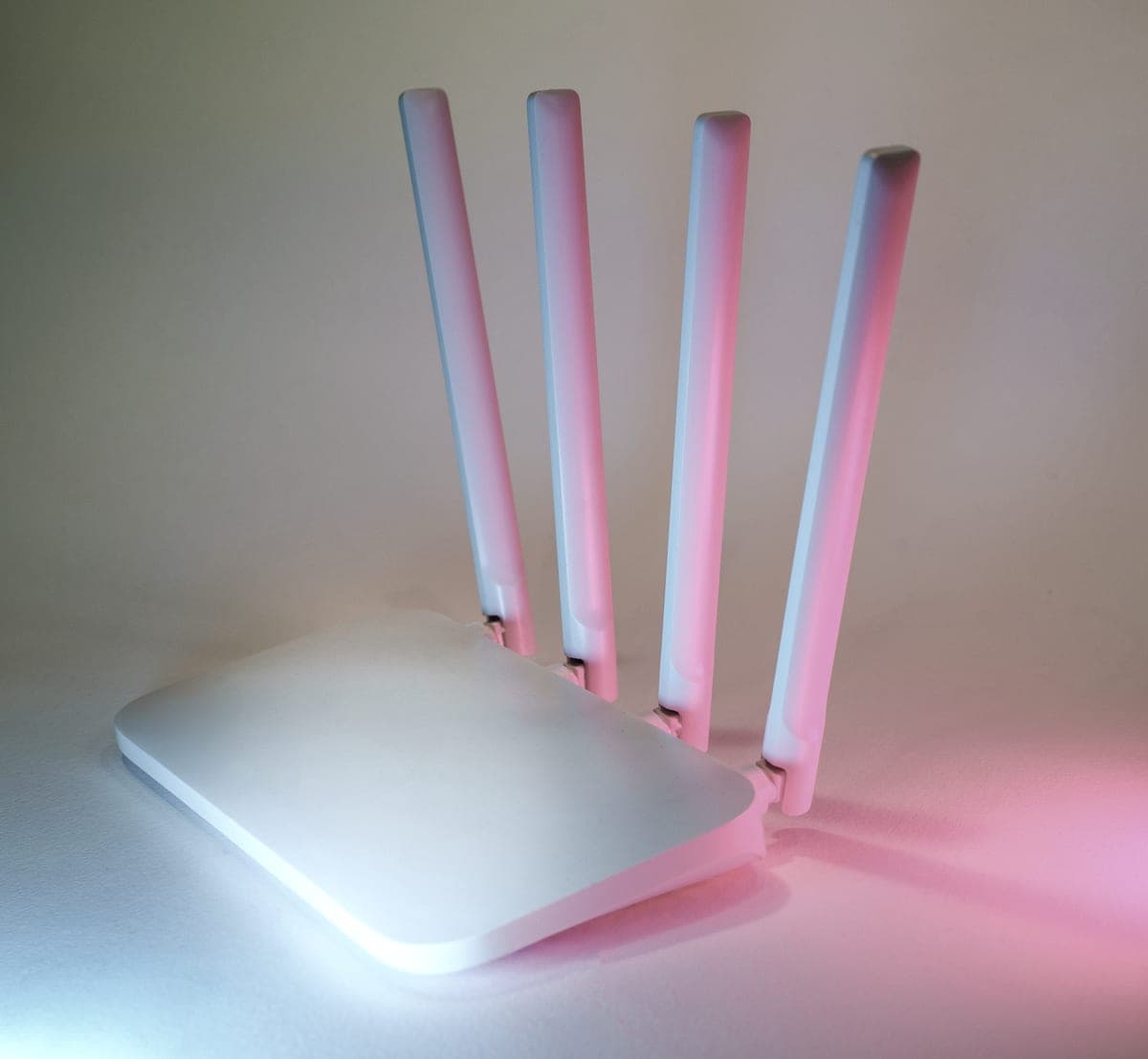
The 2.4 GHz band is crowded. It travels further through walls, which is why cheap printers use it, and it shares that range with everything else in the neighborhood. The 5 GHz band is quieter and shorter-ranged. A printer that speaks both can sit on whichever one is behaving.
Brother publishes dual-band wireless on the HL-L2460DW, the MFC-L2820DW, the DCP-L2640DW and the business HL-L5210DW. That is the specification worth checking, and it is usually written as 802.11 b/g/n plus 802.11 a/n rather than the words “dual band”.
The cable is still the fix
Every intermittent printer problem in a shared house or a small office has the same shape: it worked yesterday, nobody changed anything, and it cannot be reproduced on demand. Most of the time the printer has moved to a different channel, gone to sleep on the radio, or been reassigned an address.
A cable removes all three failure modes at once for the cost of a patch lead. If the printer will live anywhere near the router, use it. Wireless is then a fallback rather than the only path.
Wi-Fi Direct, and what it is for
Wi-Fi Direct lets a phone or laptop connect straight to the printer without going through the router. It is listed on the Brother models here alongside AirPrint and Mopria. In practice it is a guest feature and a rescue feature: a visitor can print without being given the house Wi-Fi password, and you can still print when the router is the thing that is broken.
Printing from a phone
All three recommendations support AirPrint and Mopria, which between them cover essentially every phone and tablet without installing anything. Apple states that an AirPrint-enabled printer needs no additional drivers or software, and that the device must be on the same Wi-Fi network as the printer. The AirPrint models in detail.